Ferries on the Carretera Austral: A Complete Guide
Routes, approximate costs and booking tips for crossing Patagonia's fjords and lakes with a car, 4×4 or camper — from a local crew based in Puerto Varas.
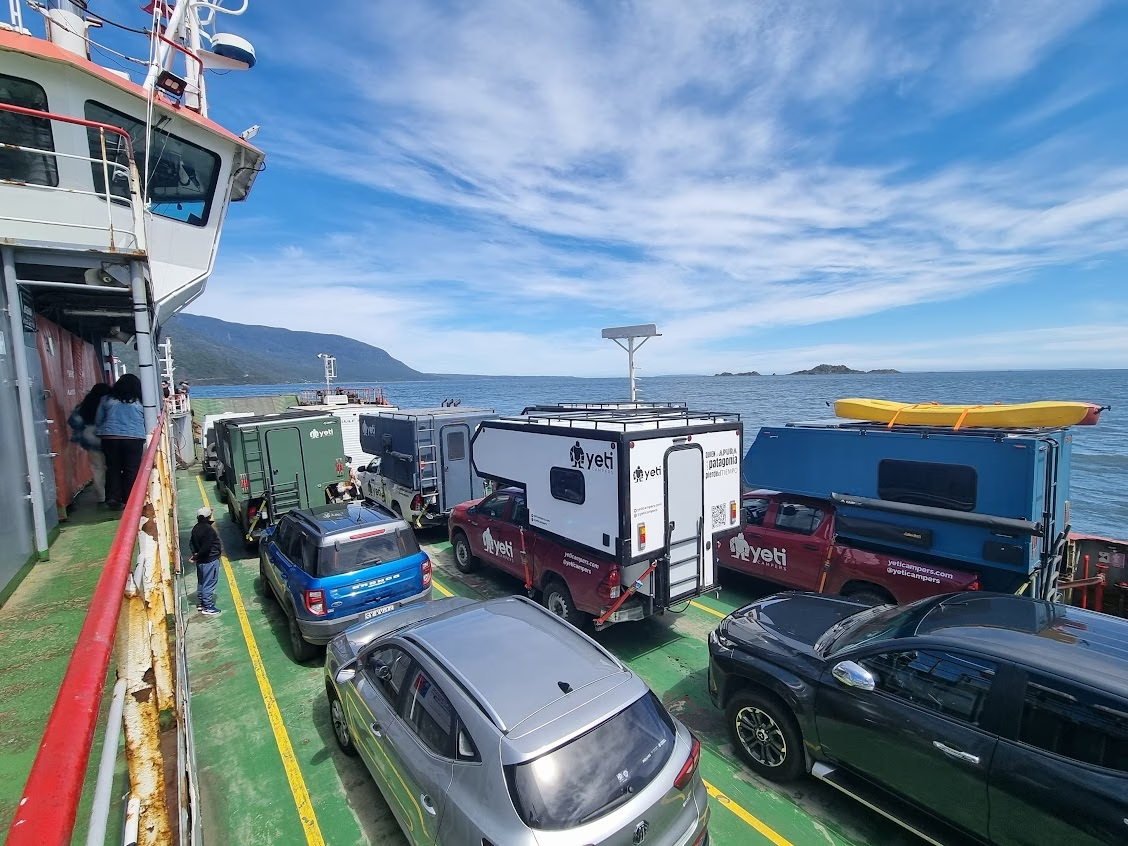
Driving Chile's Carretera Austral is one of the world's great road trips. But Patagonia isn't only about driving — fjords, channels and big lakes mean you'll also rely on ferries (barcazas) to keep moving south.
If you're traveling with a car, 4×4 or campervan, ferry logistics are essential. This guide covers the key crossings, how booking works, and rough costs — so you can build an itinerary that's realistic and stress-free.
⚠️ Read this first: the costs below are approximate 2026 planning ranges, paid in Chilean pesos (CLP). Real prices depend on season, operator and — above all — vehicle length, so campers and longer vehicles pay more than a standard car. Schedules and fares are reajusted regularly, so always confirm with the operator before you travel.
Why ferries are part of the route
The Carretera Austral runs more than 1,200 km through some of the most remote terrain in Chilean Patagonia. The landscape is carved by fjords and waterways, so there are sections where the road simply doesn't connect — and ferries become the only way south. The good news? They're not a delay. Quiet navigation through fjords and channels is one of the most memorable parts of the whole trip.
The main crossings you should know
Caleta La Arena → Caleta Puelche
The usual first ferry if you drive south from Puerto Montt, crossing the Reloncaví fjord and saving a long detour. It runs frequently throughout the day with no online booking — just arrive and queue. In high season the only real variable is wait time, so come early, especially with a camper or on long weekends.
Hornopirén → Caleta Gonzalo
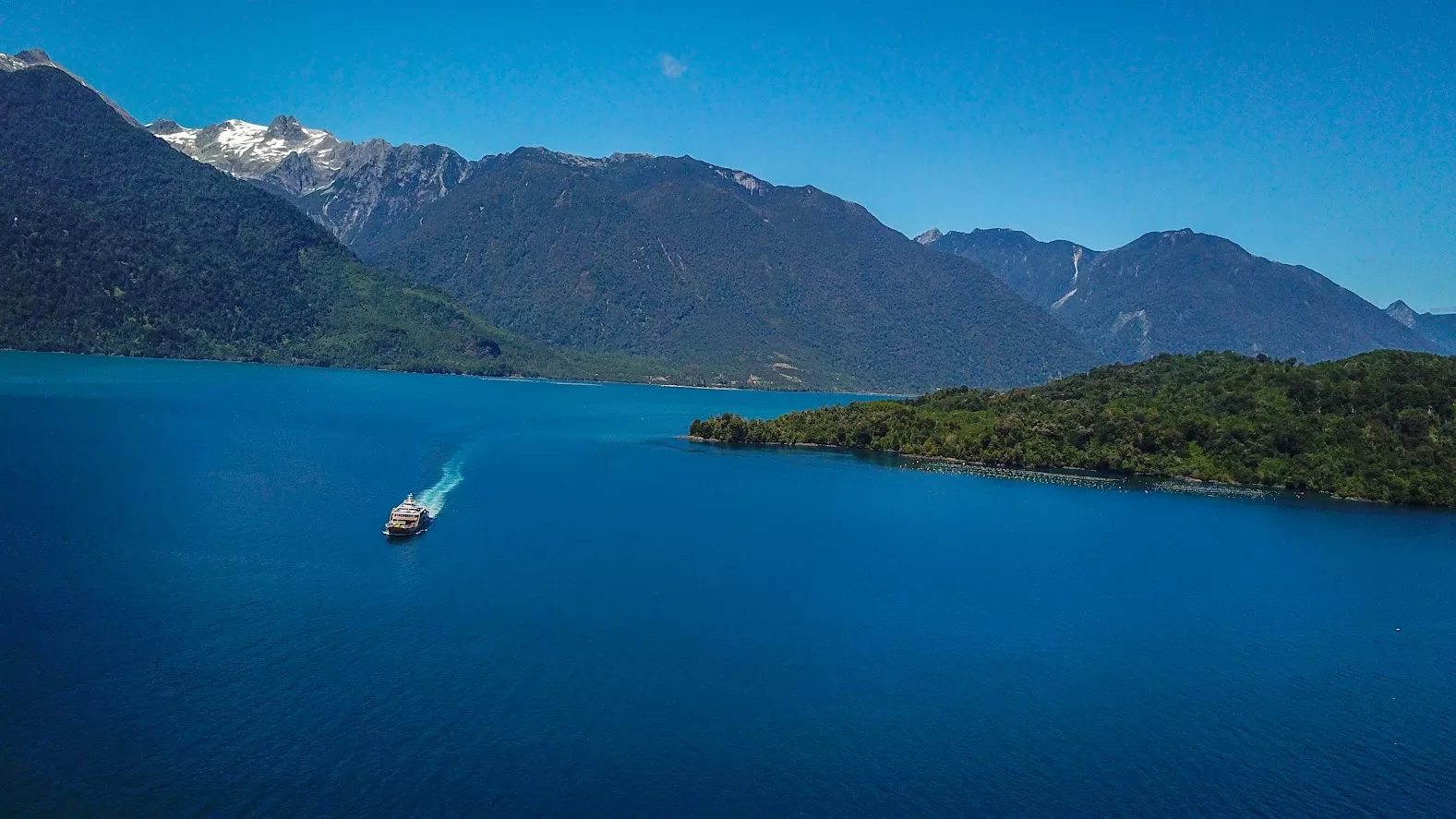
The most important crossing on the northern Carretera Austral — and where planning matters most. It's a "bimodal" sequence of two sea legs with a short drive in between: Hornopirén → Leptepu (~3.5 hrs), a 15-minute drive to Fiordo Largo, then Fiordo Largo → Caleta Gonzalo (~45 min). From Caleta Gonzalo it's ~60 km of road into Chaitén. Secure your ferry space first, then build your driving days around it.
Operator & booking: Somarco (barcazas.cl)
Pichicolo → Ayacara → Caleta Gonzalo
Sometimes described as a "direct alternative" to the bimodal route, this is actually a subsidized service that combines legs between Pichicolo, Ayacara and Caleta Gonzalo depending on the day of the week. That makes it cheap, but the frequency is limited and the routing changes — so it only works if your dates line up with the weekly schedule. Treat it as a backup, not a guaranteed shortcut, and confirm the day before you build a plan around it.
Operator & schedule: Somarco (barcazas.cl)
Puerto Montt → Chaitén (direct)
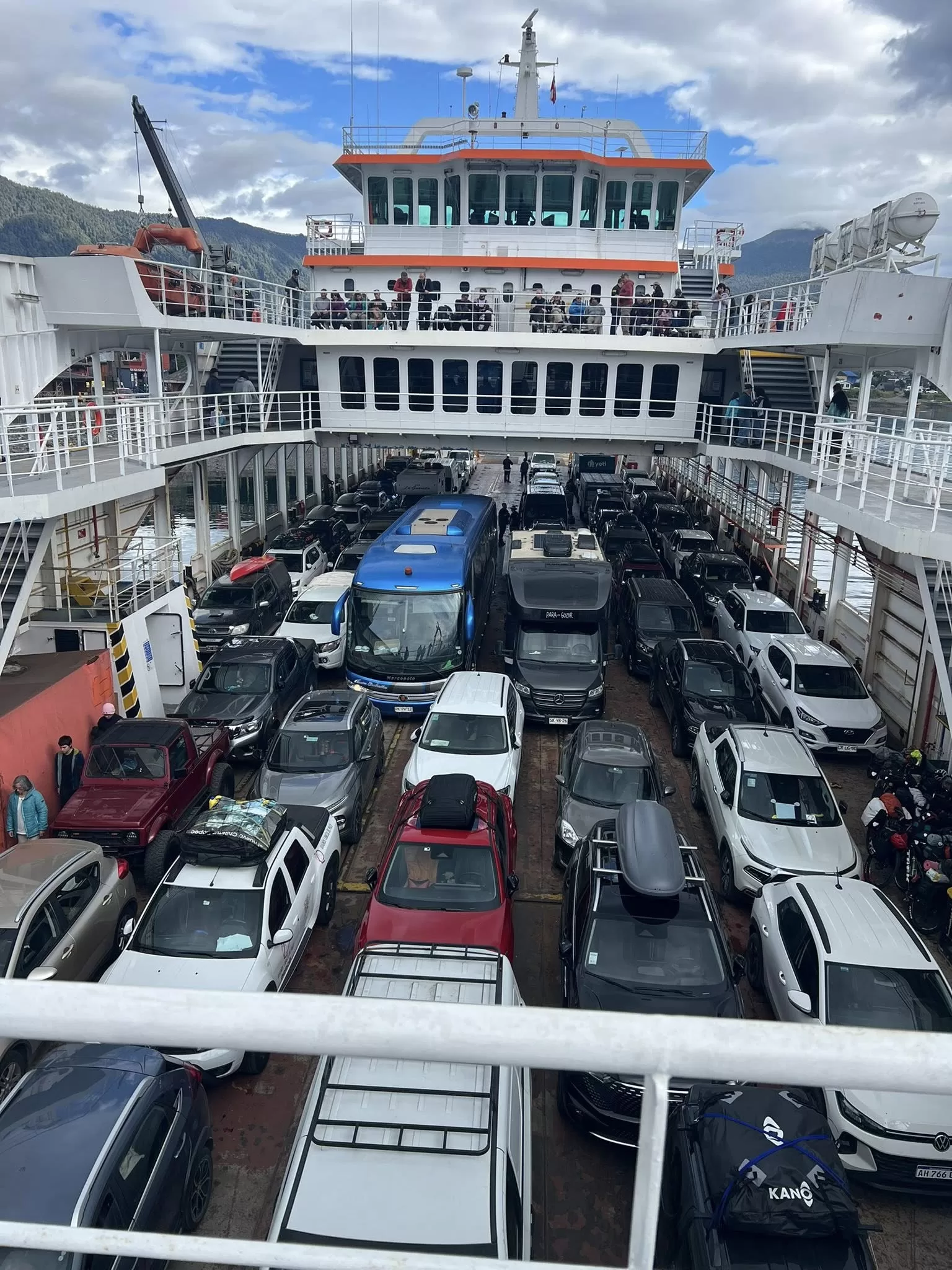
A long direct crossing on the ferry Agios (with a stop in Ayacara) that takes you straight to the southern part of the route — ideal if you're short on time or want to "start deep." There are no cabins; you sit in seats and can rest in your vehicle. Vehicle space is limited and the vehicle fare is the expensive part, so book early and declare exact measurements.
Operator & booking: Naviera Austral
Puerto Ibáñez → Chile Chico
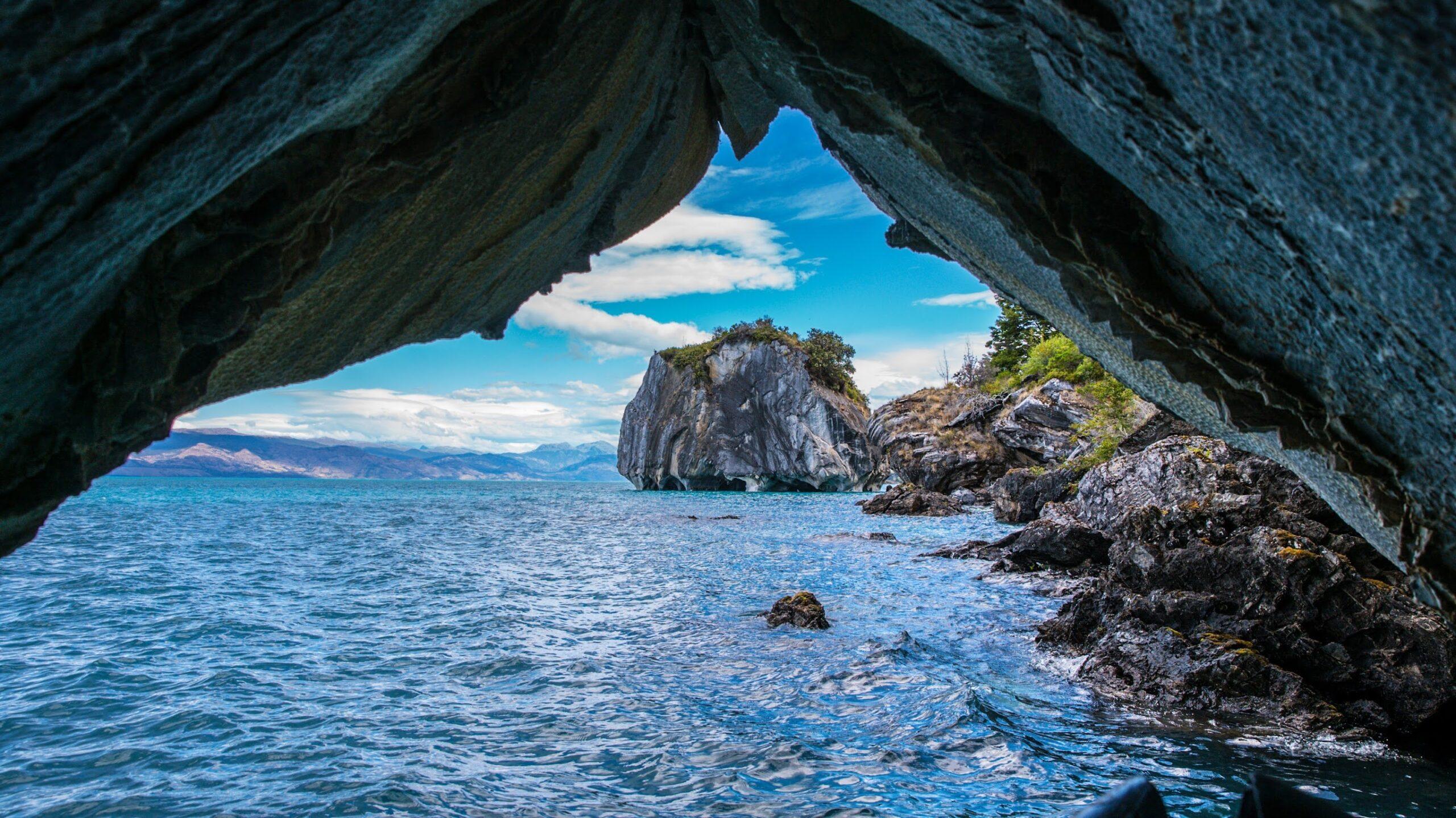
One of the most scenic rides in the region, crossing Chile's largest lake. It's an efficient way to link Aysén highlights, reach Chile Chico or connect toward Argentina — the road alternative around the lake takes around six hours. There's usually one departure a day, so reserve ahead with a vehicle. The lake can get windy, so leave some flexibility.
Operator & booking: Naviera Austral
Puerto Yungay → Río Bravo
If your goal is the very end of the road toward Villa O'Higgins, this crossing of the Mitchell fjord is mandatory — and completely free (subsidized by the State, for everyone from pedestrians to campers). It runs several times a day on a first-come basis, so plan your arrival carefully and don't show up too late for the last sailing.
Connecting & alternative ferries
Beyond the six core crossings, a few longer ferries let you enter the Carretera Austral differently or connect it to other regions — useful if you're short on time, want to skip a section, or plan to continue toward Torres del Paine.
Quellón / Castro → Chaitén
Enter the Austral from Chiloé Island instead of the mainland — a good option if you're already touring Chiloé and want to cross straight into Chaitén.
Ruta Cordillera: Quellón → Pto Cisnes / Chacabuco
A coastal route calling at isolated ports like Melinka, Raúl Marín Balmaceda and Puerto Aguirre — handy for skipping sections or reaching places only accessible by boat.
Pto Yungay / Caleta Tortel → Puerto Natales
The Crux Australis ferry links the end of the Austral with Magallanes (~41 hrs), carrying vehicles. The way to continue toward Torres del Paine without backtracking north — roughly weekly, so plan ahead.
Navimag: Puerto Montt → Puerto Natales
A ~4-day cruise-style ferry through the fjords (via Puerto Edén) that carries vehicles and bypasses the Austral entirely — an option for one-way logistics.
How to plan around ferries
Plan ferries first, then the route
Availability can decide your whole schedule. Lock in the key crossings (anything reaching Caleta Gonzalo or Chaitén) before booking lodging or fixing daily distances.
Always confirm vehicle length
Pricing and space are based on length. A roof box, bike rack or camper build changes your bracket — measure your real total length and declare it accurately.
Build in buffer time
Weather and operational changes affect departures. Avoid tight same-day connections and leave room — a flexible itinerary is safer and more enjoyable.
🛣️ Before you go: Patagonian routes occasionally close from landslides or weather, which can reroute ferry boarding points temporarily. Check the current status of Ruta 7 and your crossings with the operators close to your travel date.
People also ask
Do I need to book ferries in advance?
For the bimodal Hornopirén–Caleta Gonzalo, Puerto Montt–Chaitén and the longer connecting routes — yes, especially in high season, since vehicle space sells out. Caleta La Arena–Caleta Puelche and Puerto Yungay–Río Bravo work first-come, first-served.
How much do Carretera Austral ferries cost?
Roughly: short crossings are free to ~USD 35, the bimodal route around USD 90–120 for a car plus two, and the long Puerto Montt–Chaitén crossing USD 200+. Puerto Yungay–Río Bravo is free. Costs depend mainly on vehicle length and season — always confirm with the operator.
Is the Puerto Yungay – Río Bravo ferry really free?
Yes. It's subsidized by the State and free for everyone — pedestrians, bikes, motorbikes, cars, buses and campers alike. It's the only way to continue toward Villa O'Higgins.
Can I take a campervan on these ferries?
Yes — the major ferries all accept campervans. Just declare the exact length when booking, since both pricing and space allocation depend on size. Note the 4.2 m height limit on the bimodal route.
Are ferries affected by weather?
Sometimes. Strong winds and rough seas can delay or change departures, particularly on open crossings. Build buffer time into your itinerary, especially in remote sections.
How much should I budget for ferries in total?
For most classic road-trip routes, a common planning range is roughly USD 250–500 total, depending on which crossings you take and your vehicle size.
Need help planning ferries for your trip?
We're a local 4×4 camper crew based in Puerto Varas since 2018. We can help you coordinate crossings, realistic driving times and the best route for your dates.