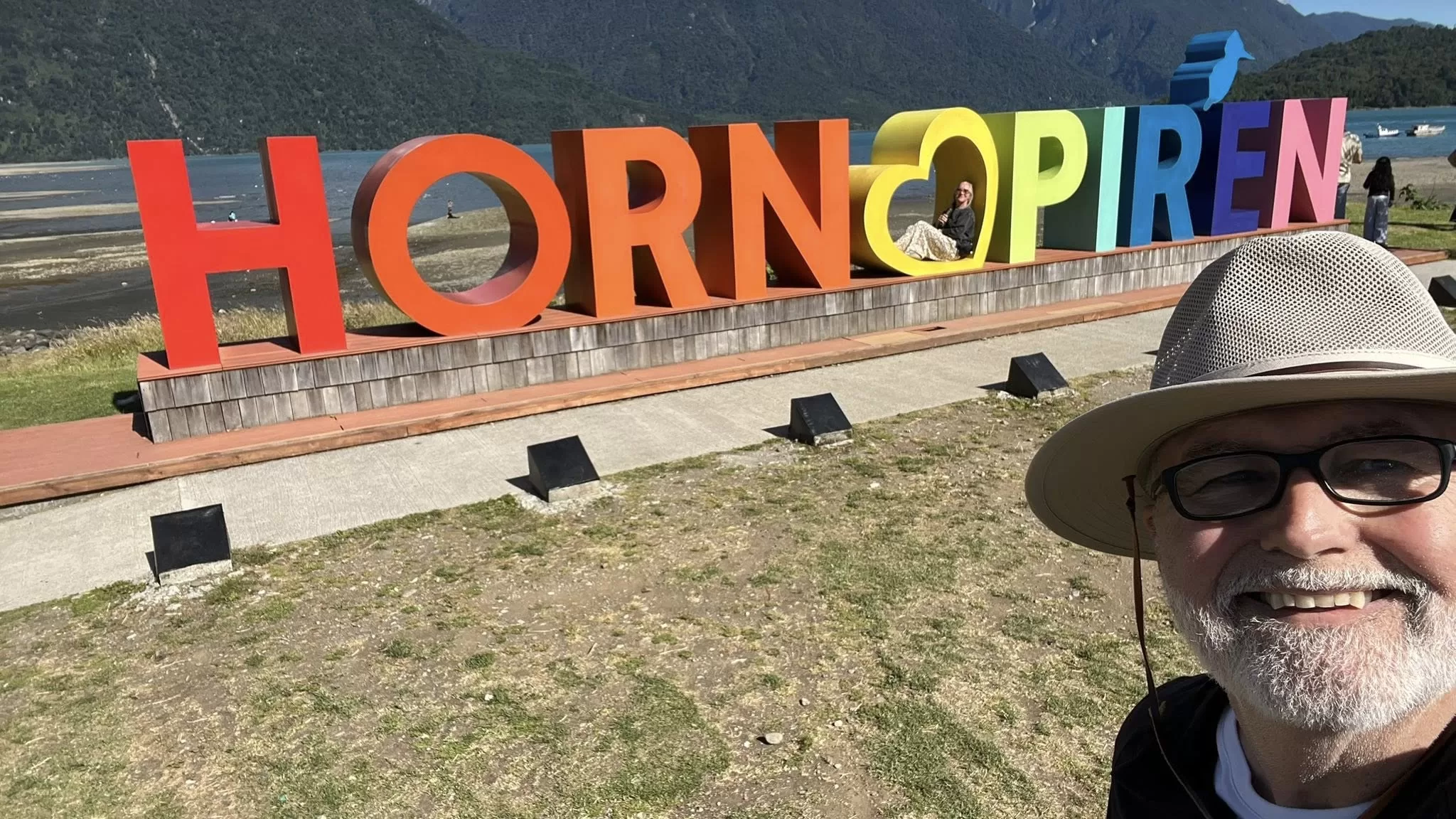
From Puerto Varas to the End of the World
David and Isabel's 3,000-mile camper journey through Chile and Argentina — a dream more than six years in the making.
Some trips are planned for a few months. Others live in your head for years. For David, this journey had been taking shape for more than six years — a long-imagined drive through Patagonia, down legendary roads, across islands and borders, all the way to the southernmost point you can reach by car.
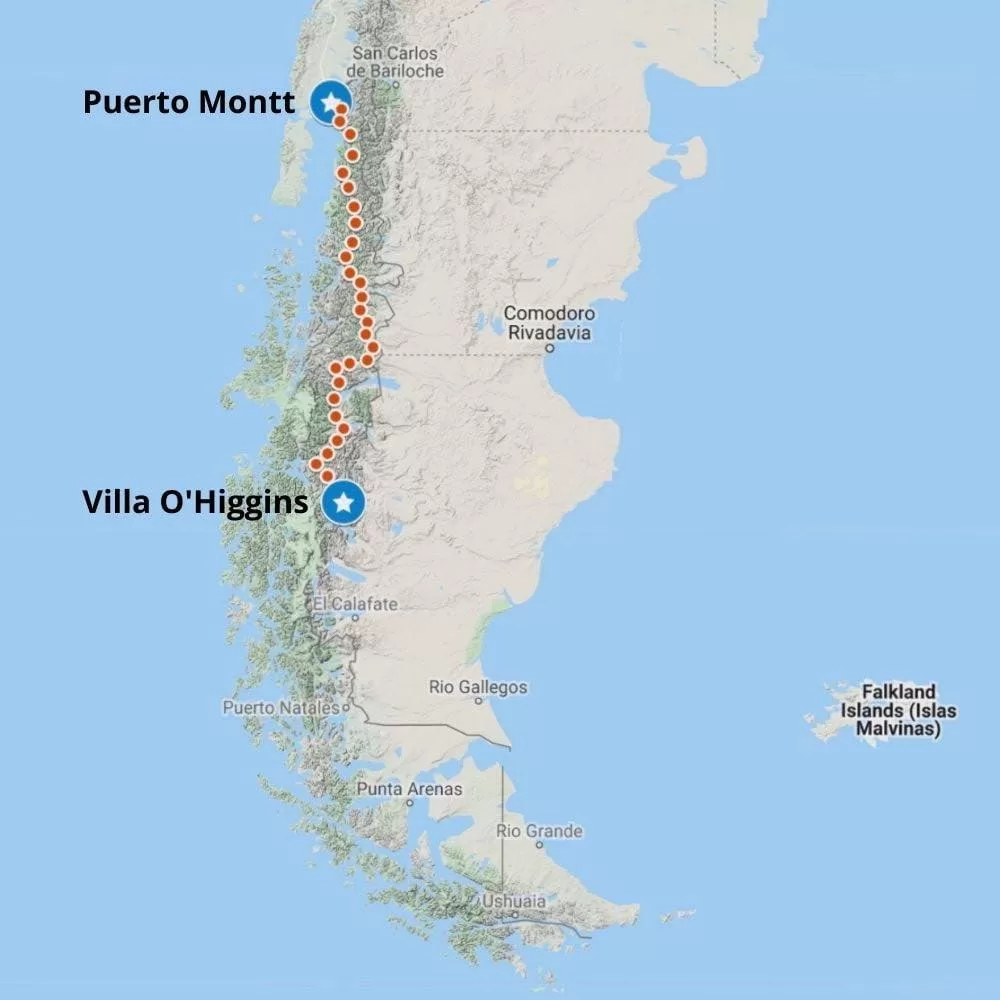
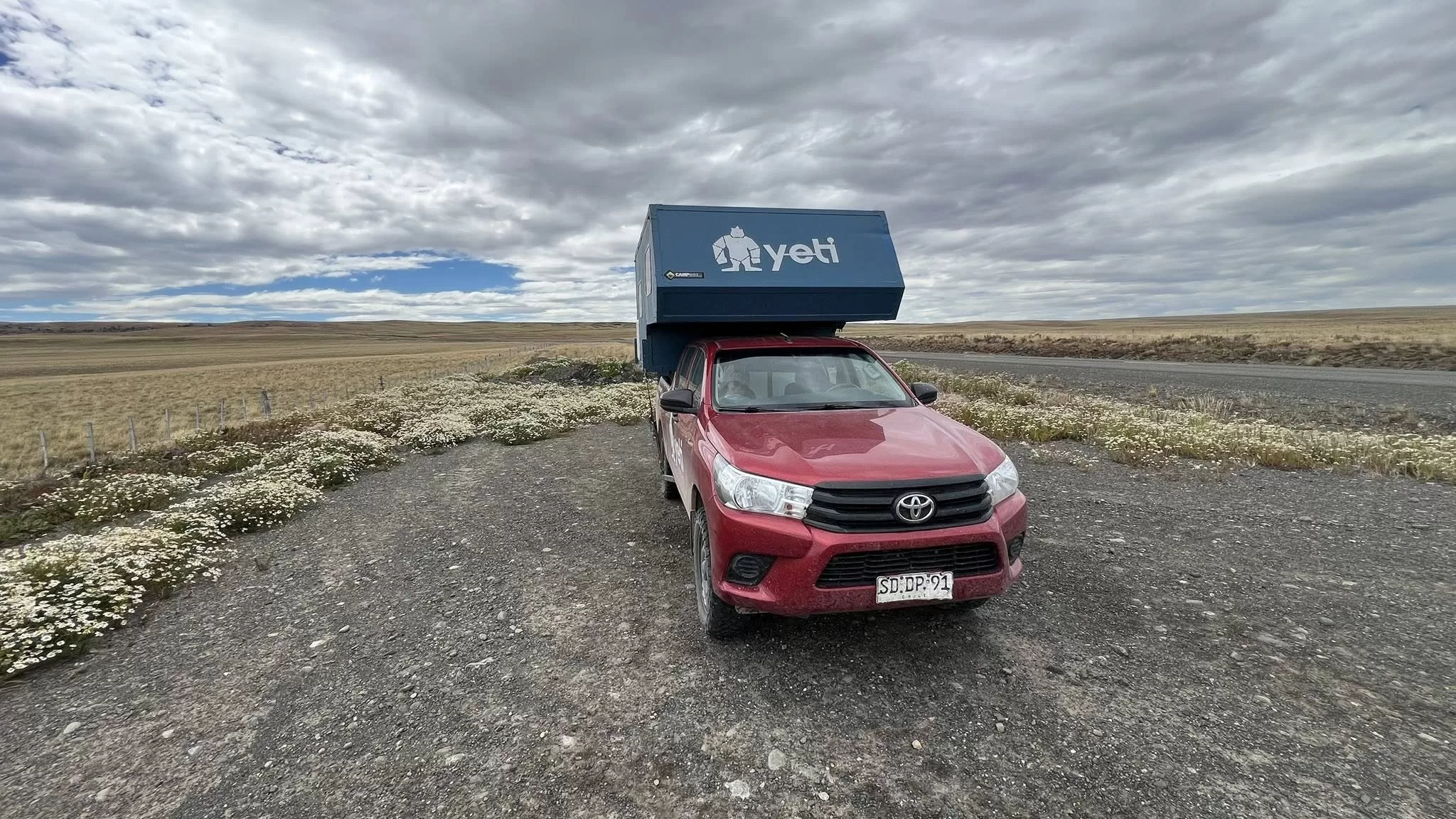
When the moment finally arrived, he and Isabel were ready. Their adventure would take them from Puerto Varas to Ushuaia, covering roughly 3,000 miles through Chile and Argentina over 21 days by camper. What unfolded along the way was more than a road trip — it was a once-in-a-lifetime experience.
Where the dream becomes real
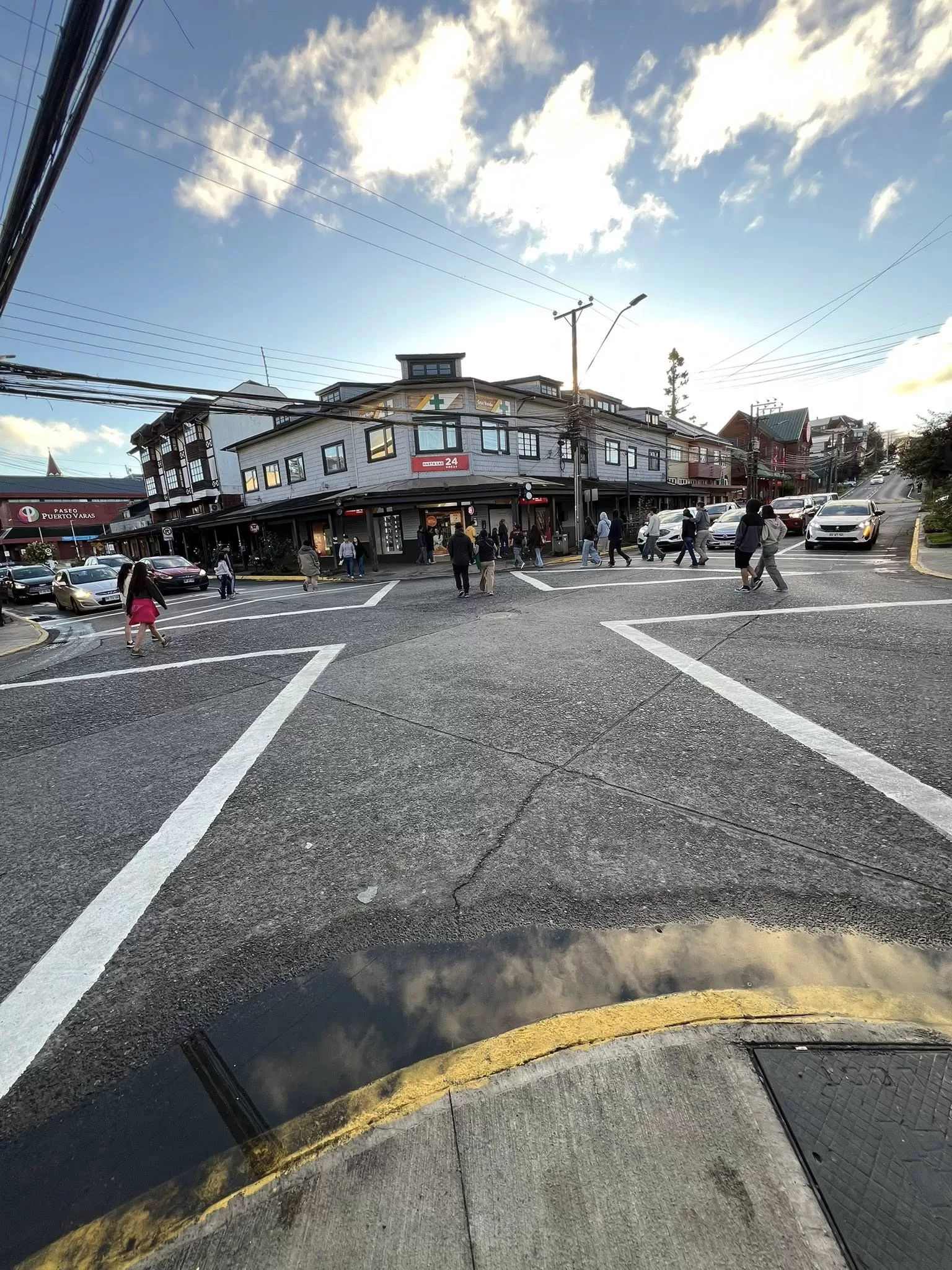
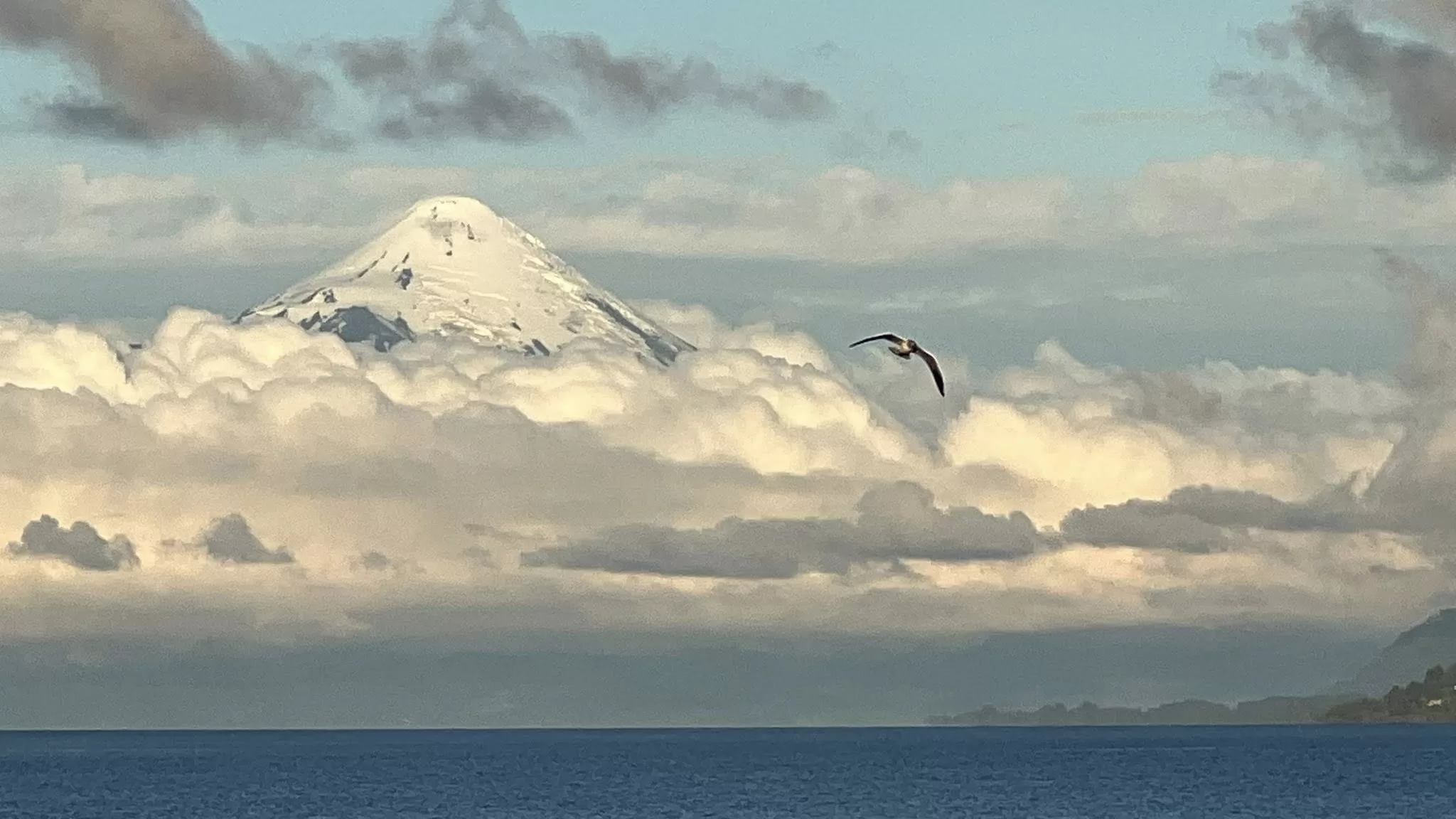
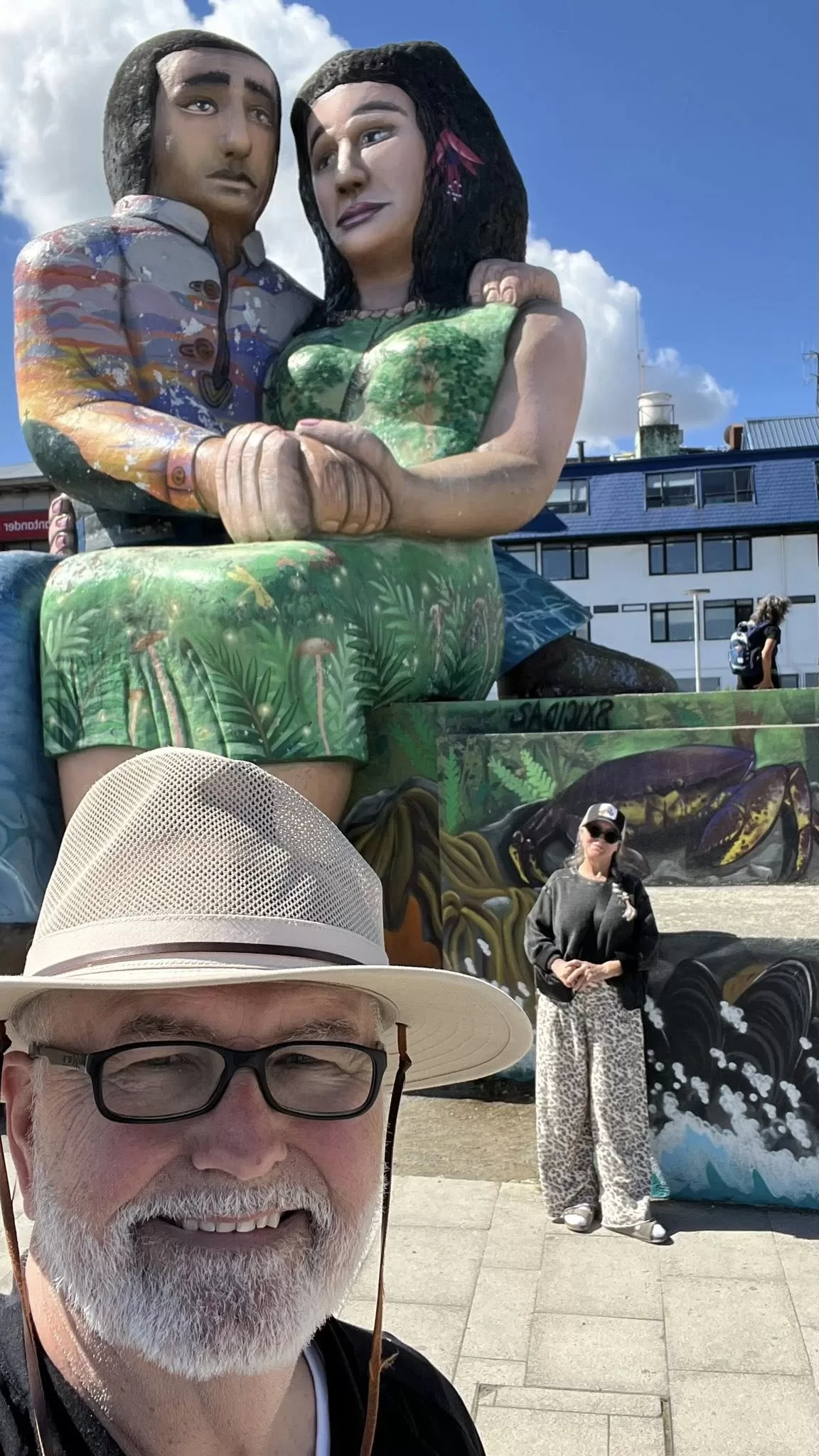
After flying from Santiago to Puerto Montt and a short drive to Puerto Varas, David and Isabel spent their first afternoon soaking in the calm atmosphere of this lakeside town. Sitting on the shores of Lake Llanquihue, with the Osorno Volcano rising dramatically in the distance, it felt like the perfect place to begin such an ambitious journey. The camper pickup the next morning would mark the official start — years of planning about to turn into kilometers on the road.

Camper pickup & penguins at Puñihuil
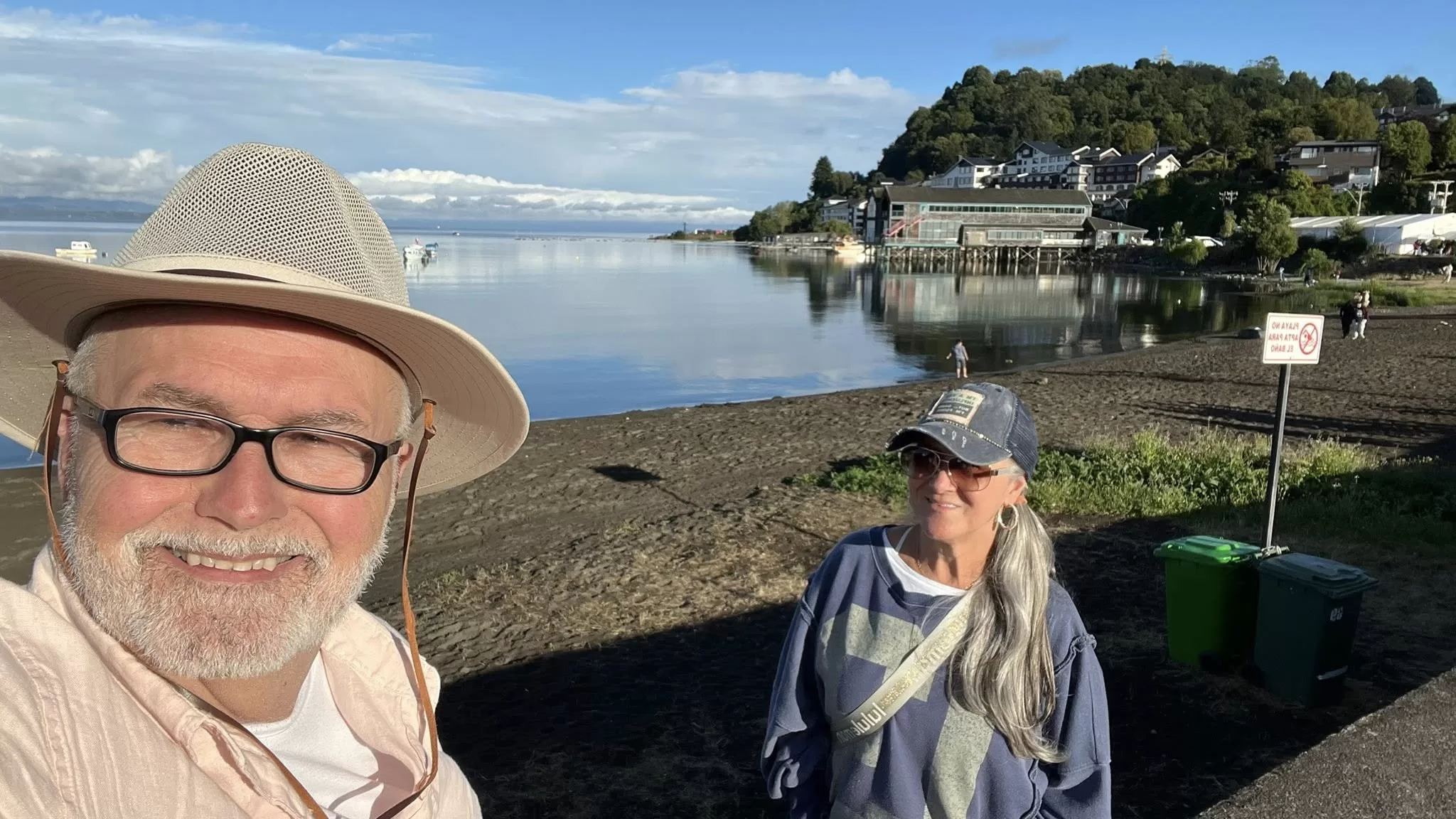
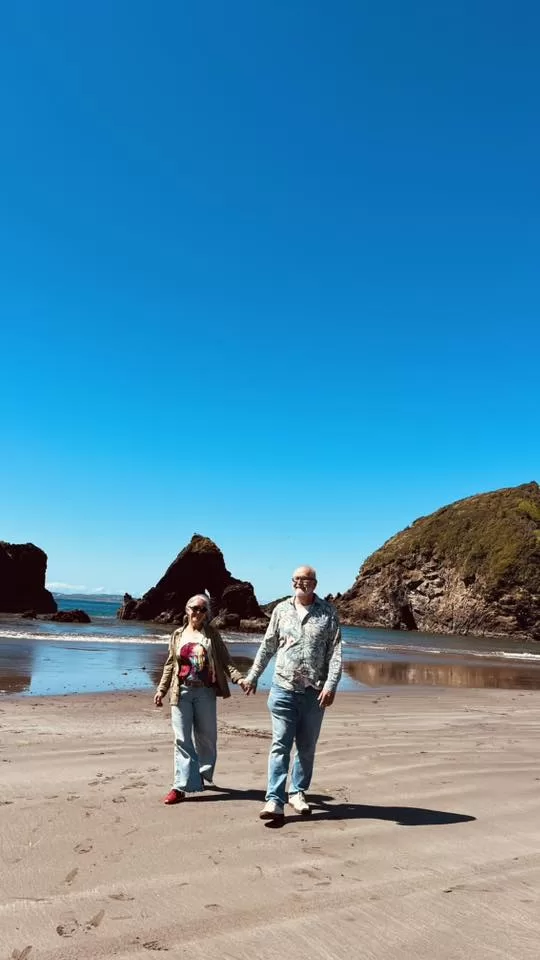
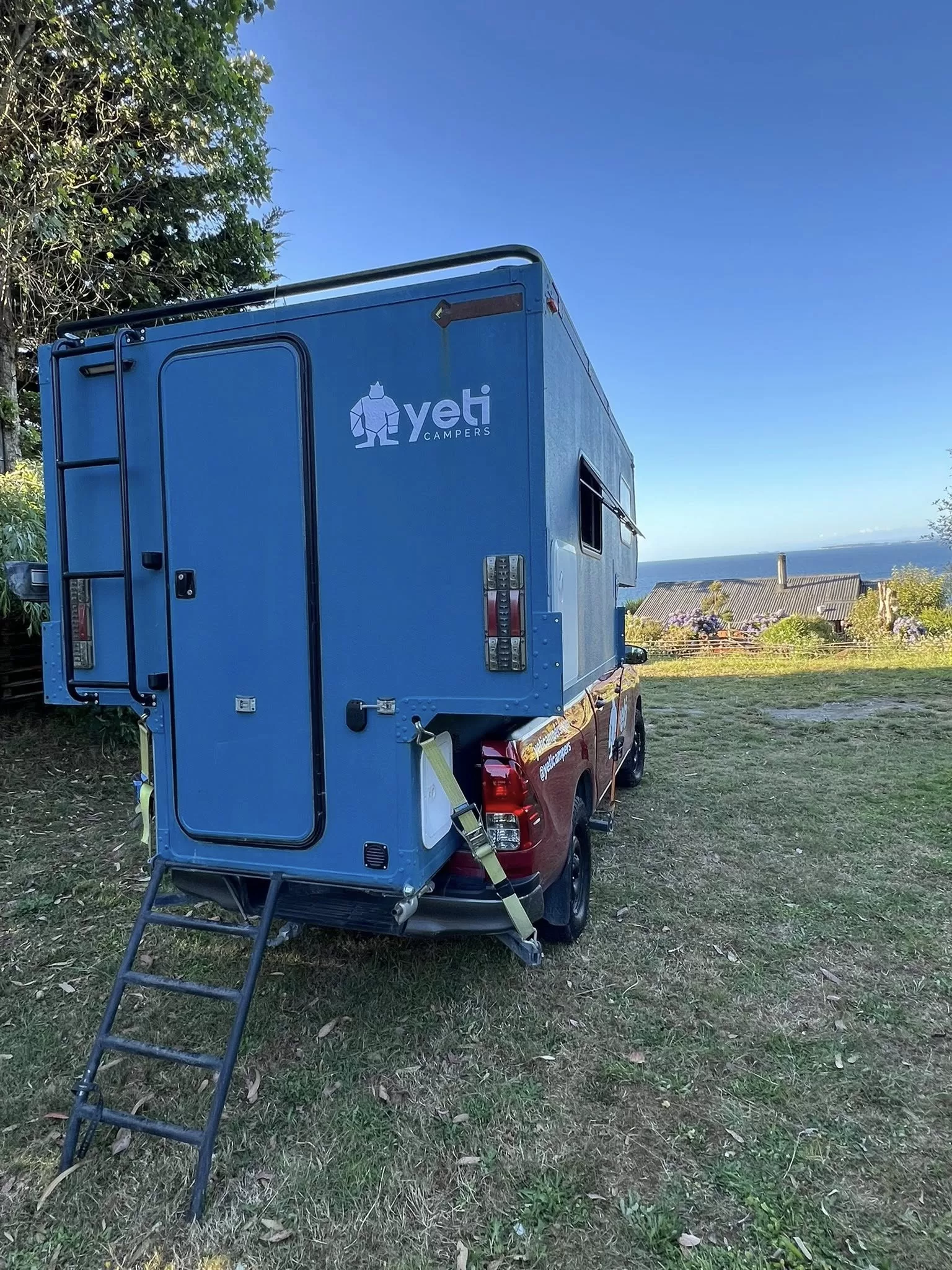
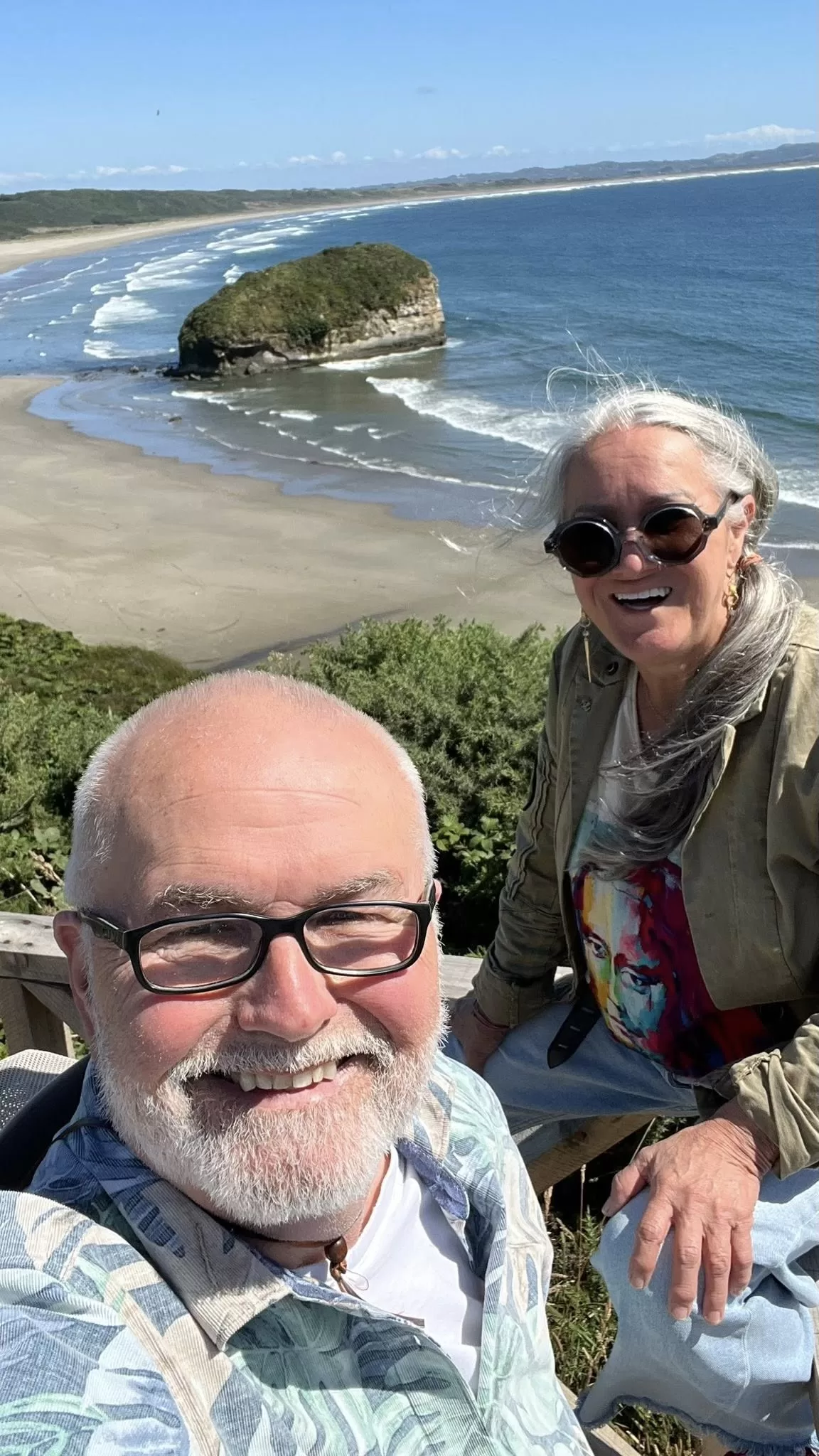
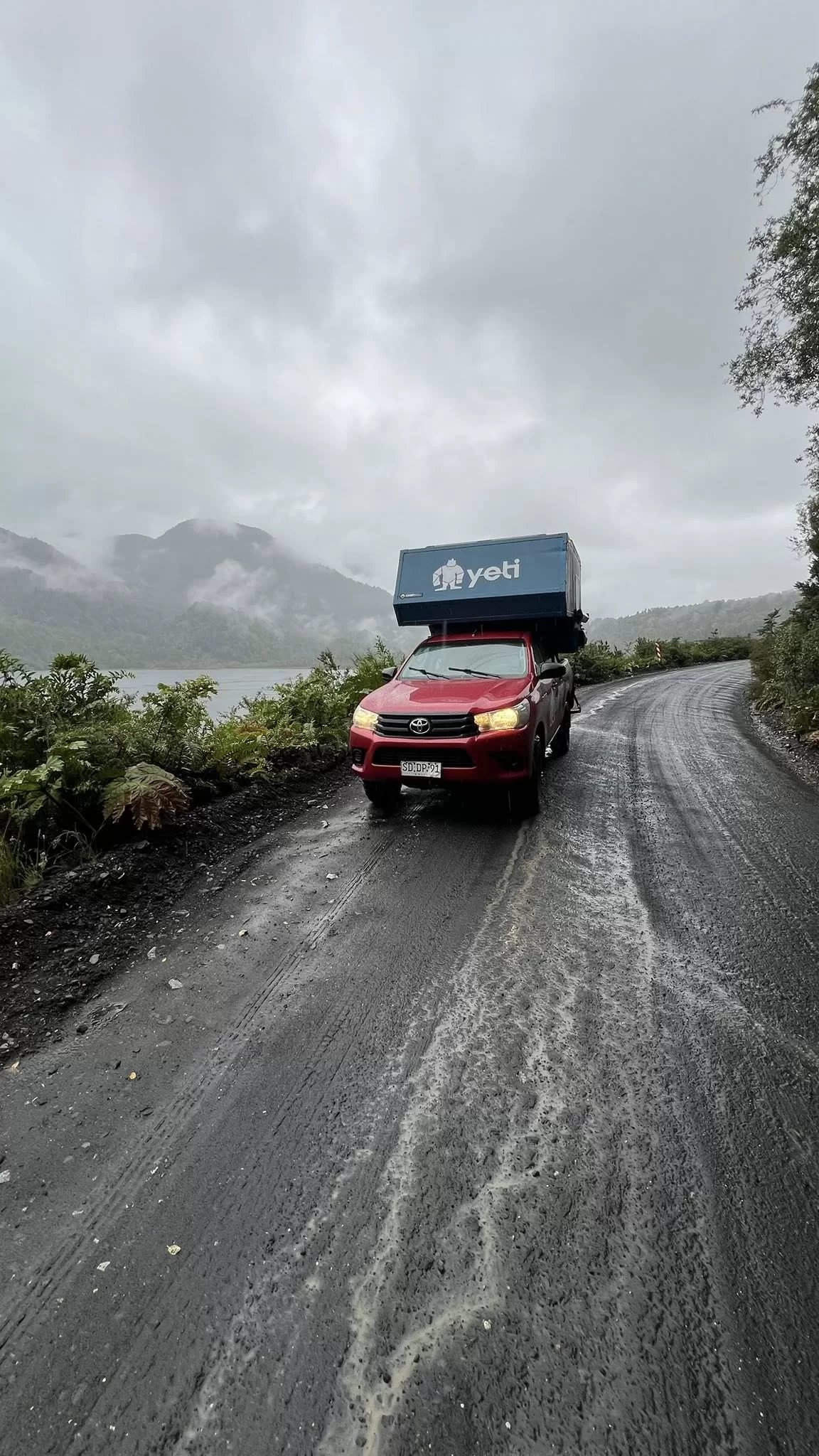
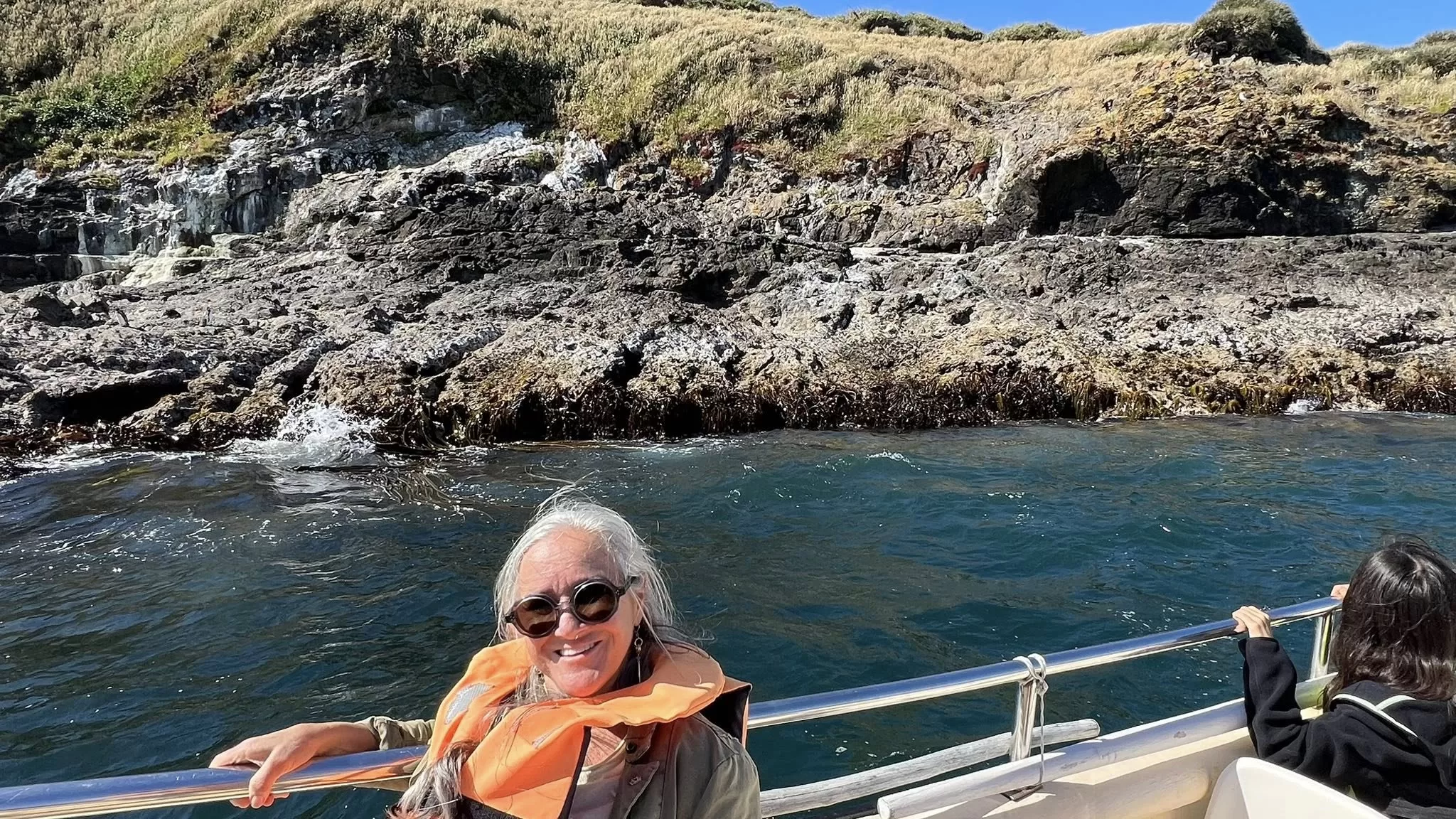
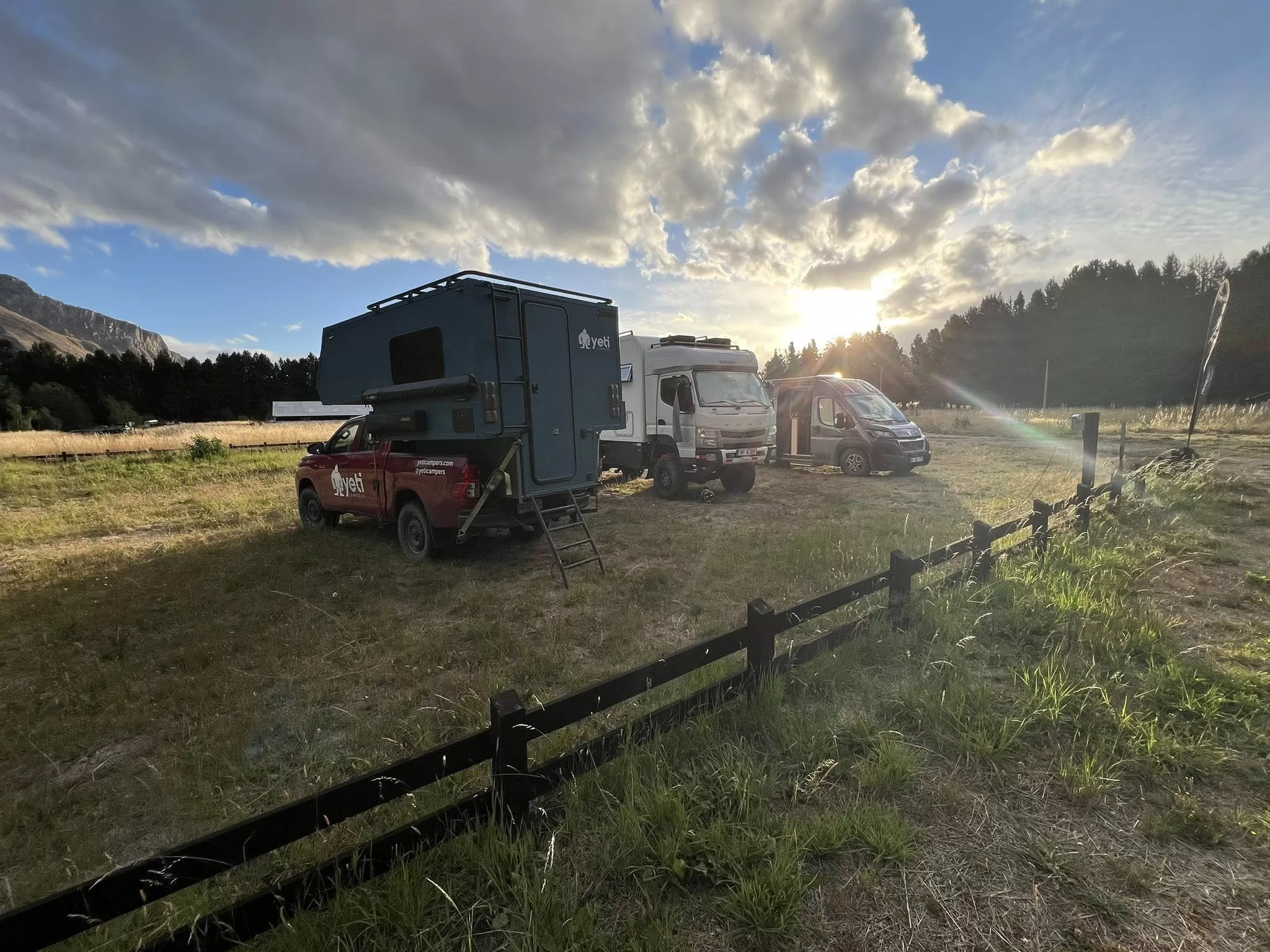
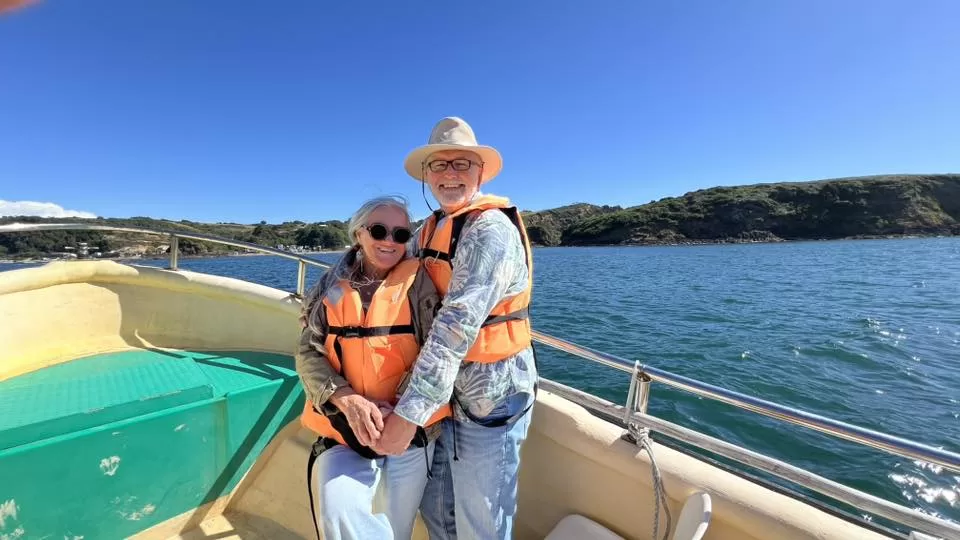
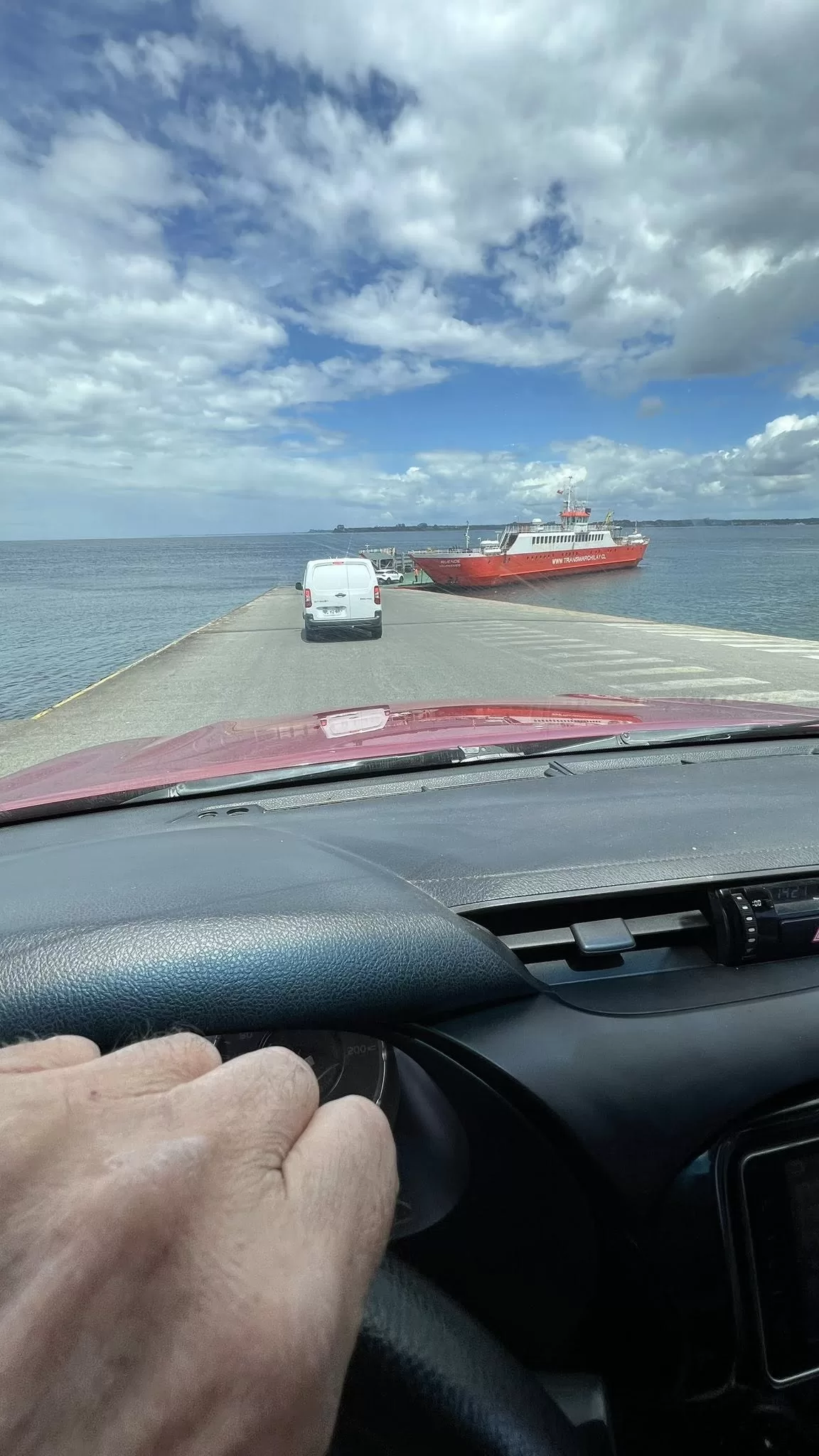
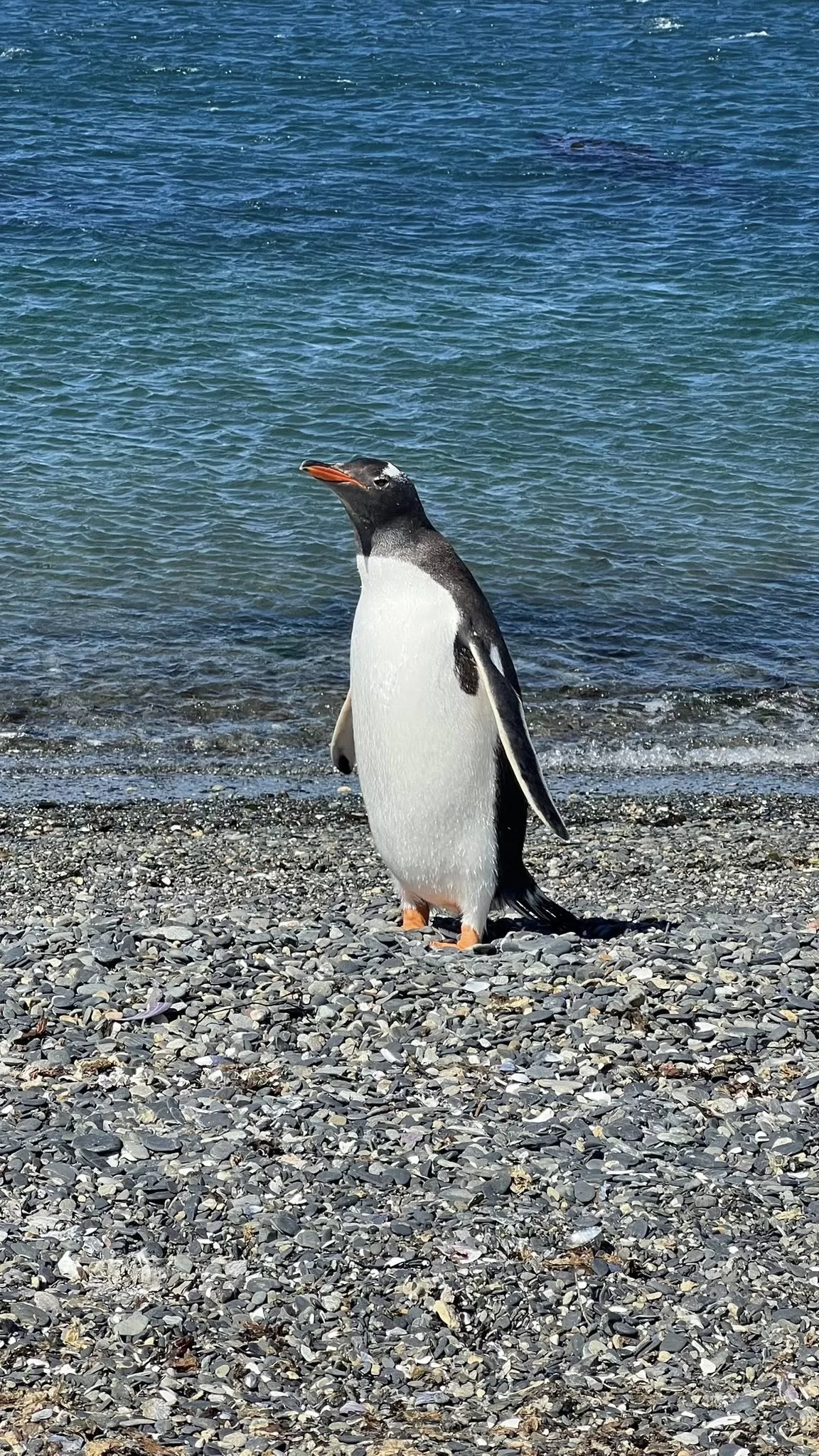
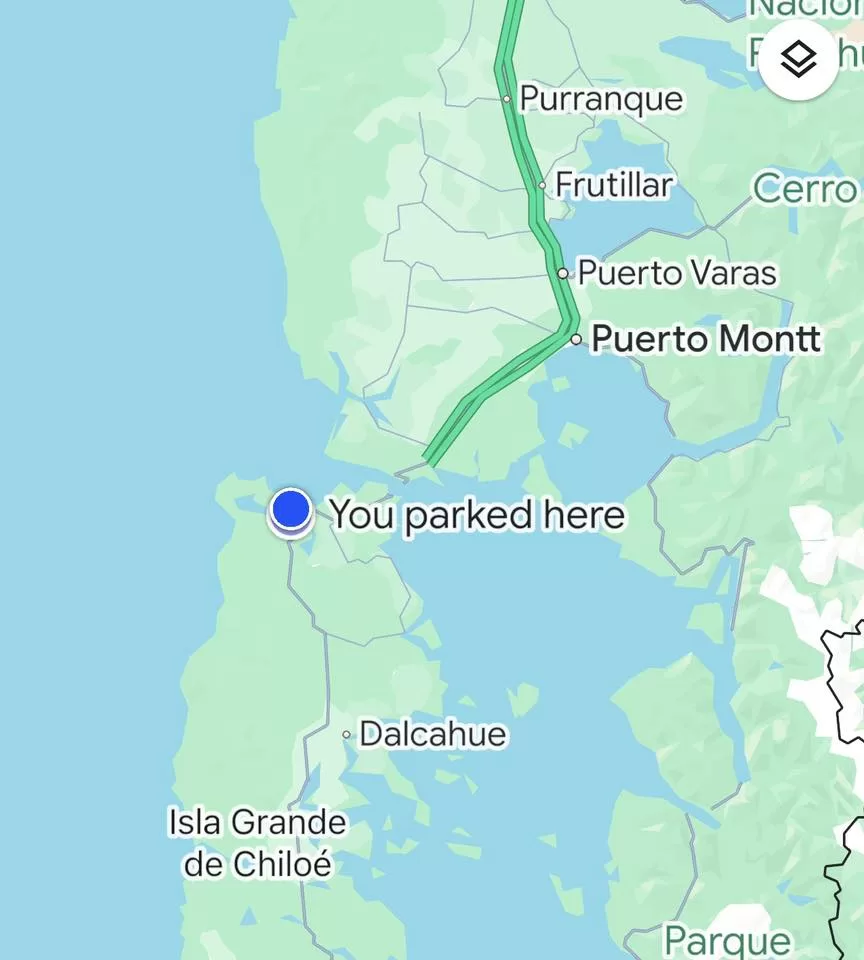
With the keys in hand, they hit the road south toward Chiloé Island, arriving just in time to catch the ferry — a recurring theme in Patagonia, where timing and flexibility are part of the experience. A highlight was the small coastal community of Puñihuil, where they took a boat trip to see Humboldt penguins in their natural habitat. Driving directly on the beach afterward felt surreal. That night, they wild camped near a cliff outside Ancud, falling asleep to the sound of the Pacific.
Ferries, gravel roads & the open coast
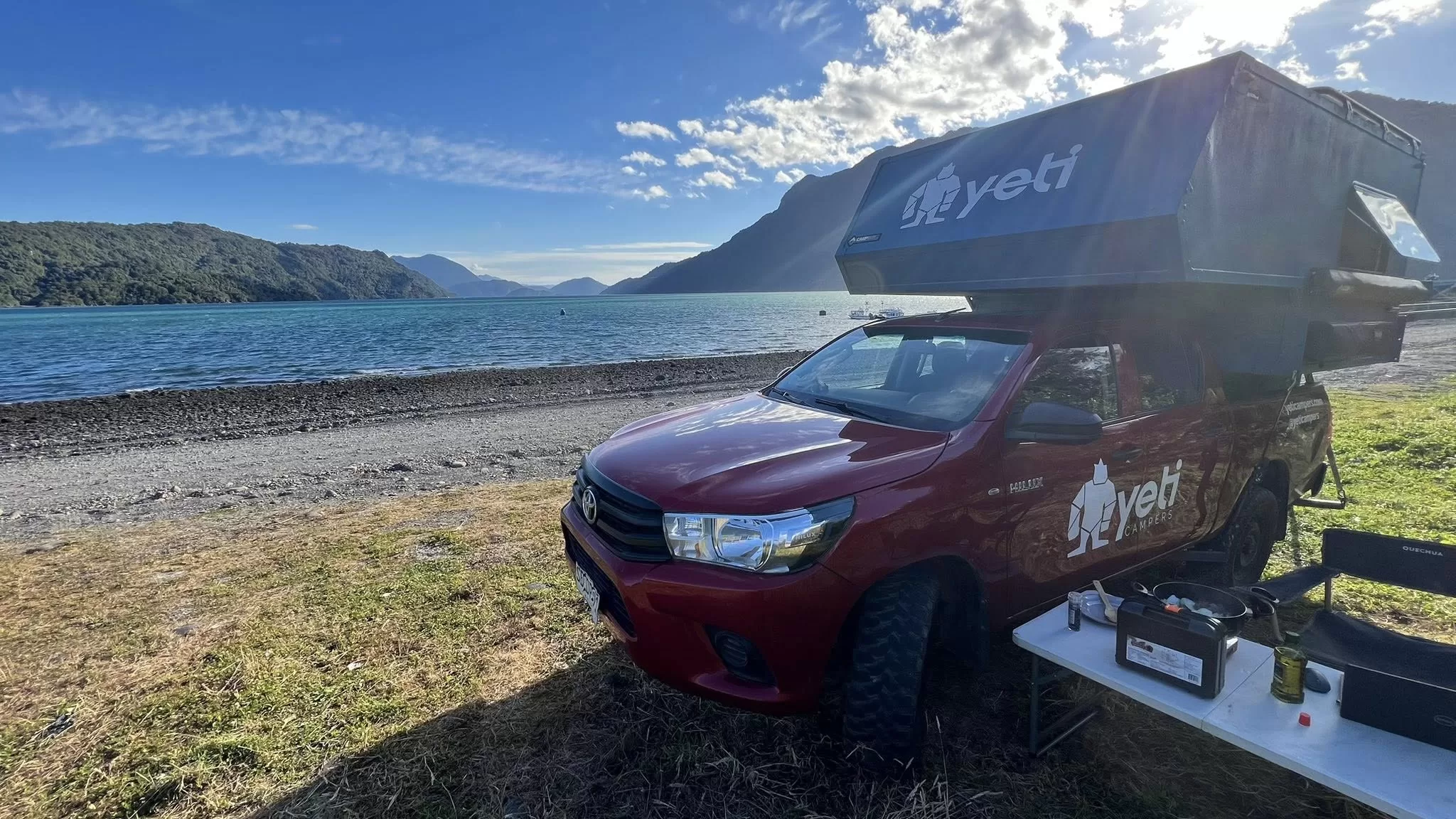
The journey continued with more ferries and scenic drives through fjords and forested hills. After leaving Chiloé, they made their way toward Hornopirén, where another ferry awaited them early the next morning. They parked the camper right on the beach, just minutes from the terminal — finding a quiet spot with help from iOverlander, one of many examples of how shared traveler knowledge makes remote routes like this possible.
The long ferry on the Carretera Austral
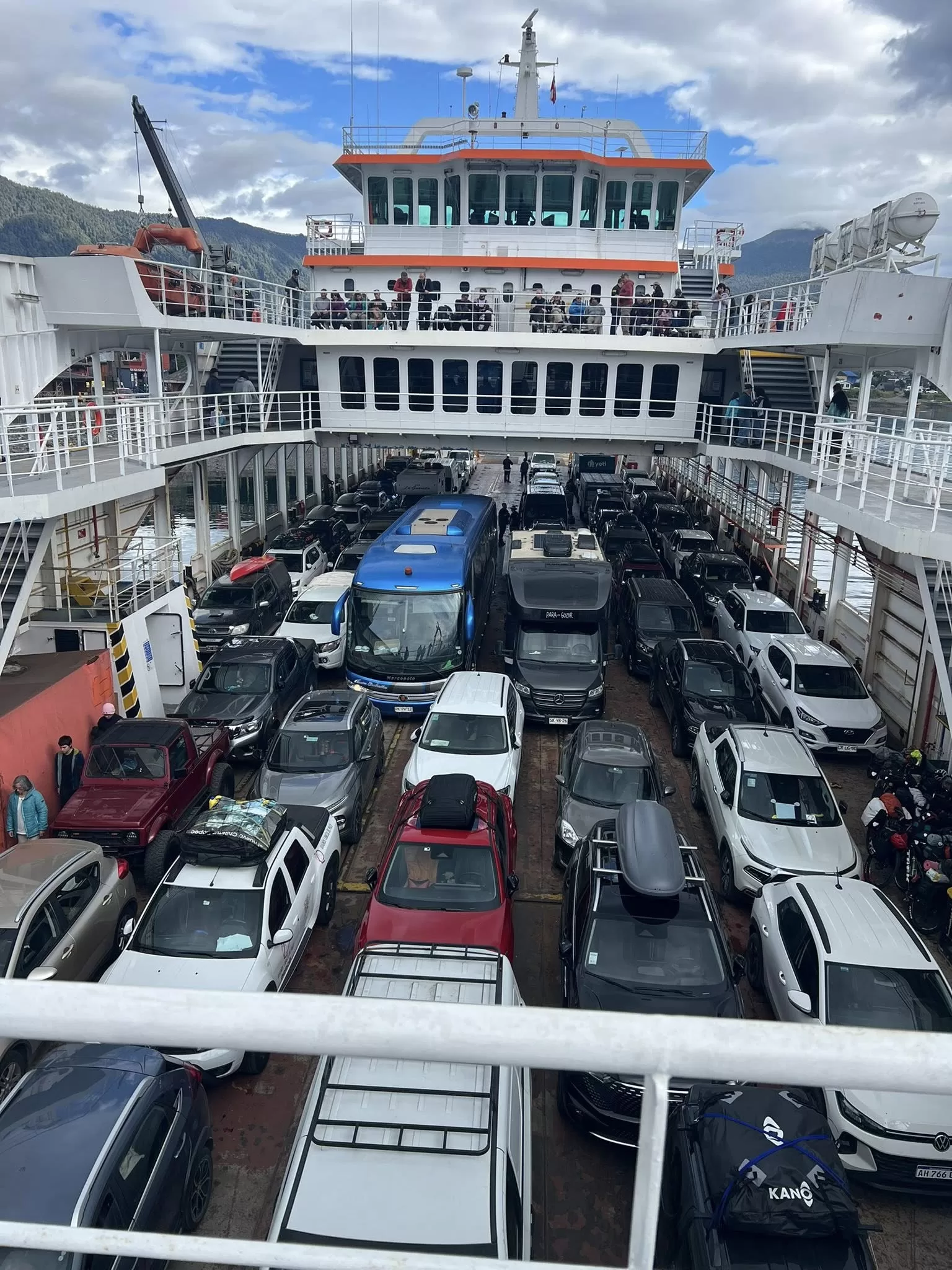
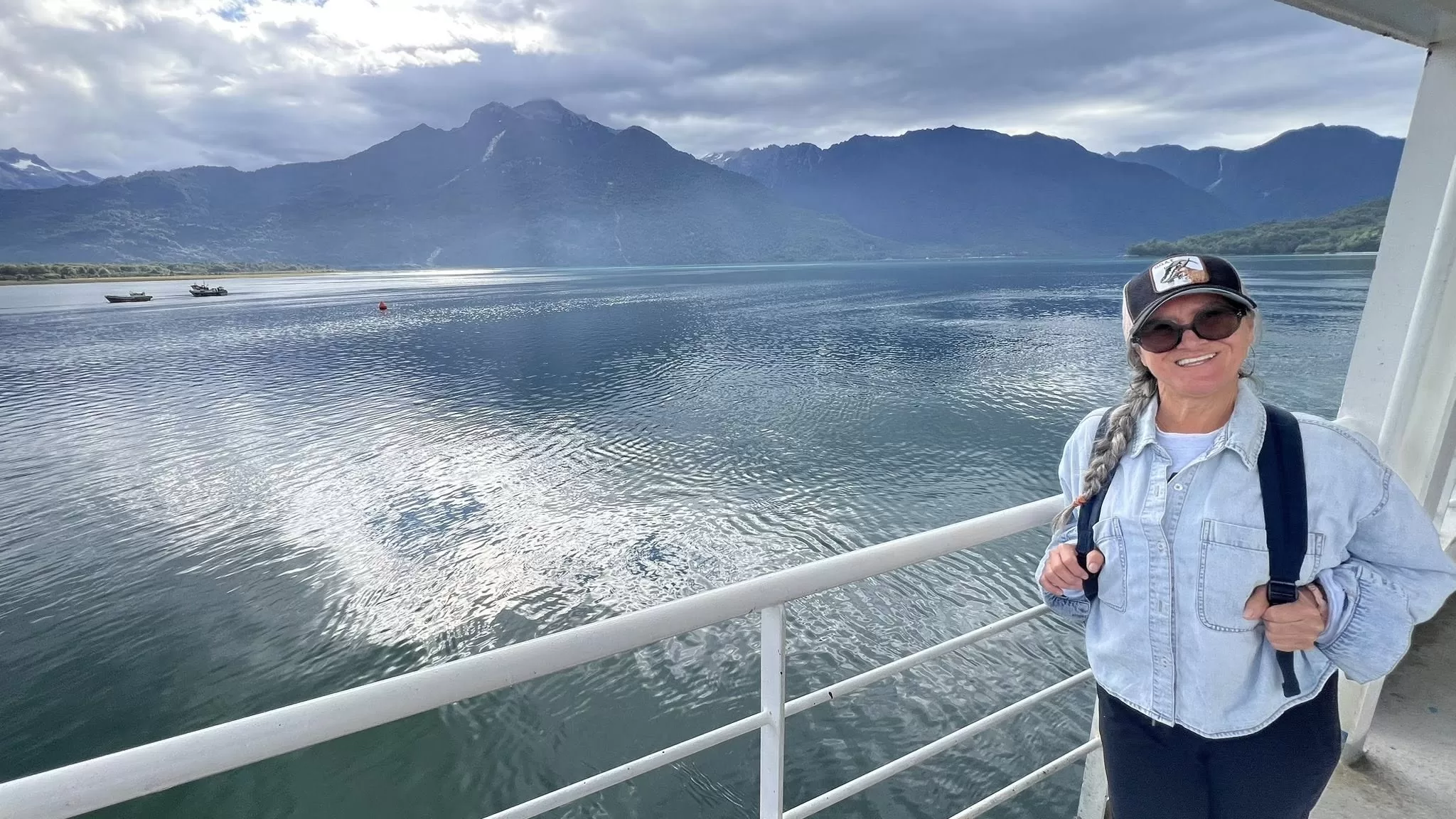
The famous "big ferry" was one of the most unique experiences of the trip — a bimodal crossing that means boarding a ferry, disembarking midway to drive a short gravel road across a peninsula, then boarding a second ferry to continue south. Rain dominated the landscape, hiding mountains David knew were there, just beyond visibility. Disappointing at times, but also a reminder of Patagonia's unpredictability — and the importance of patience. By the end of the second day, they reached the area near Queulat, hopeful for clearer skies. More on these ferries here.
The hanging glacier — their first glacier ever
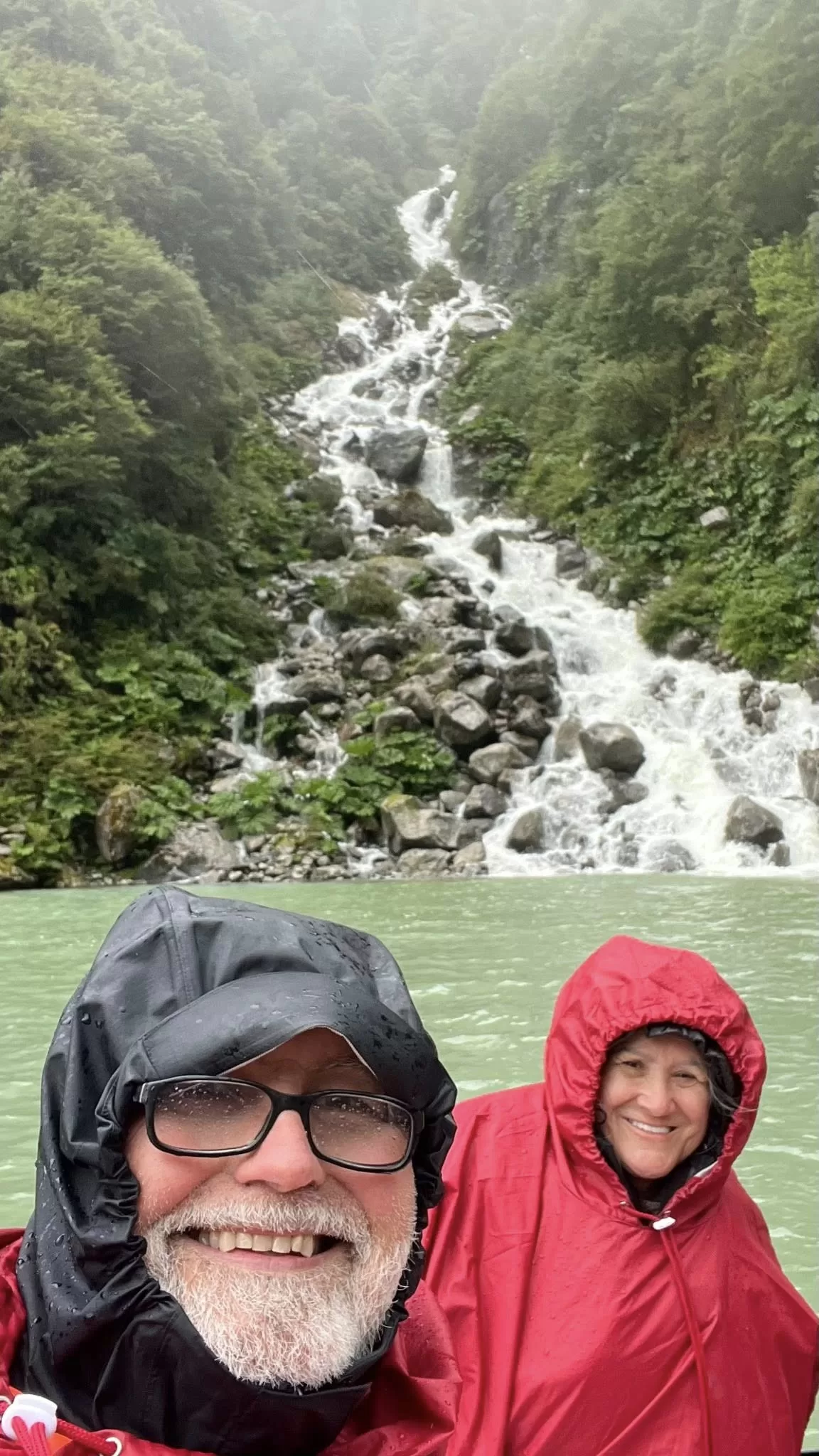
The rain slowly gave way to one of the most memorable days of the entire journey. Queulat National Park is home to a stunning hanging glacier, and for David and Isabel it was the first glacier they had ever seen. Despite lingering rain, they took a small rubber boat across the lake to get closer — and it was absolutely worth it. Standing below the glacier, watching ice suspended above the valley, made every wet mile worthwhile. That evening, they reached Coyhaique, the main city in Chilean Patagonia.
The Marble Caves
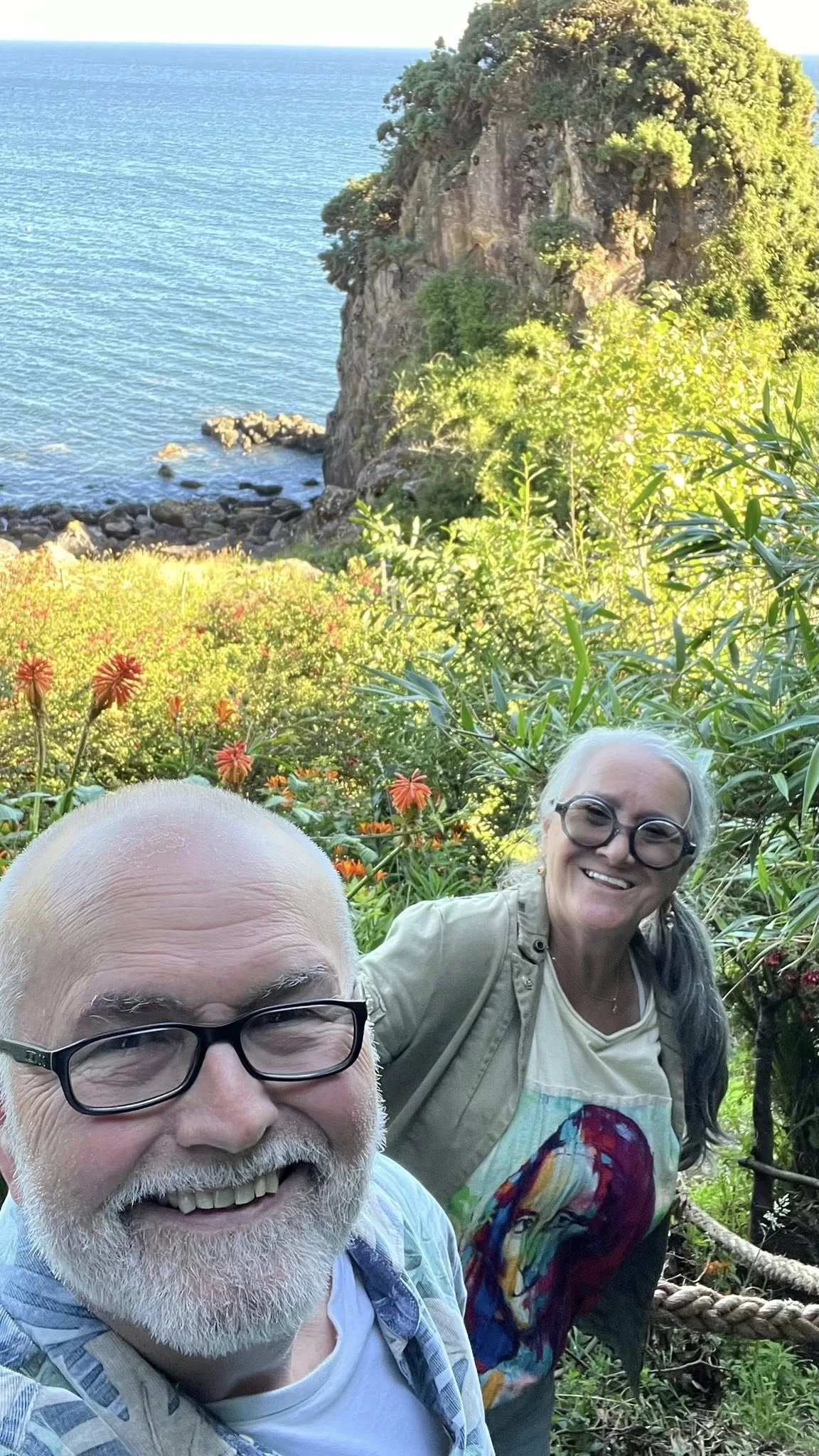
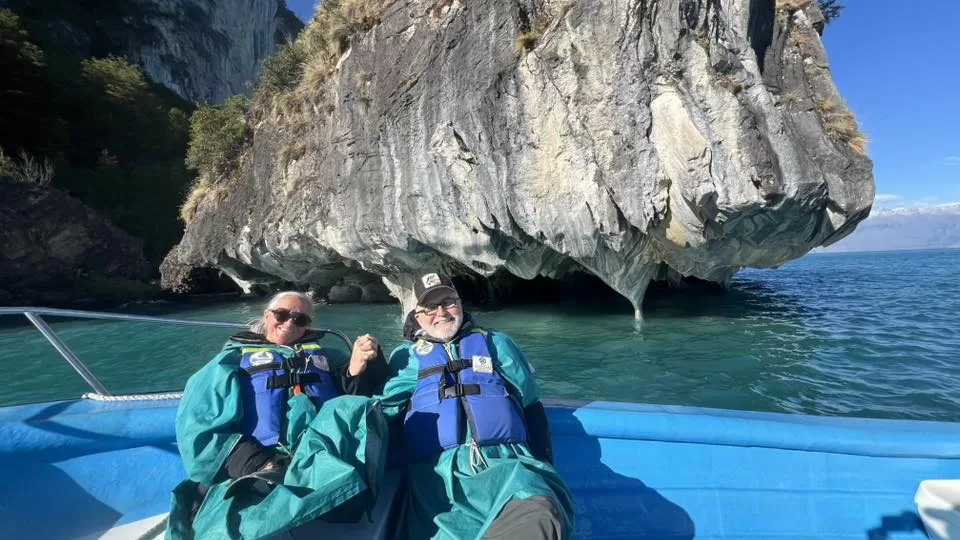
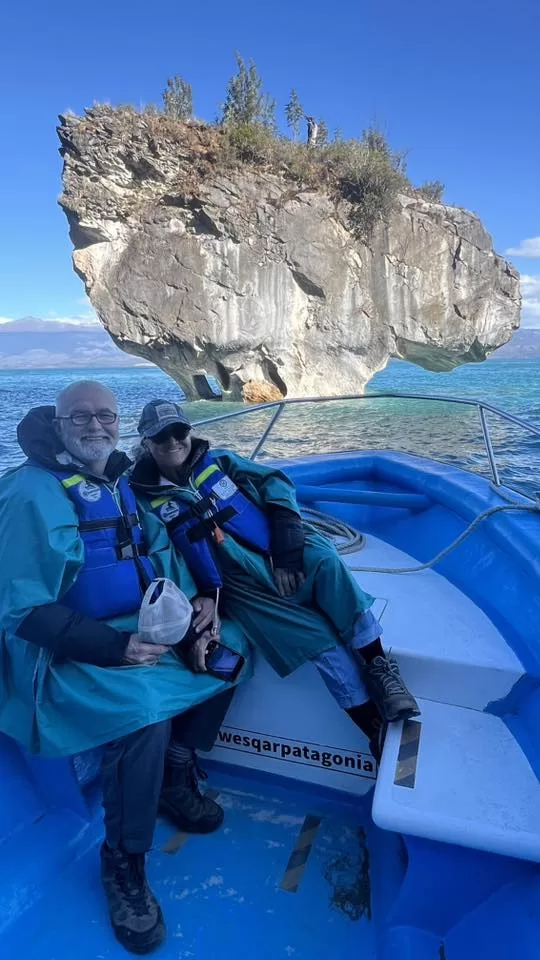
From Coyhaique, the road led south to Puerto Río Tranquilo and one of Patagonia's most iconic natural wonders: the Marble Caves. A short boat ride revealed smooth marble formations carved by water over thousands of years — the colors, reflections and silence made it feel almost unreal. Not wanting to waste daylight, they continued to the small town of Puerto Bertrand and camped near a quiet riverside park.
Completing the Carretera Austral
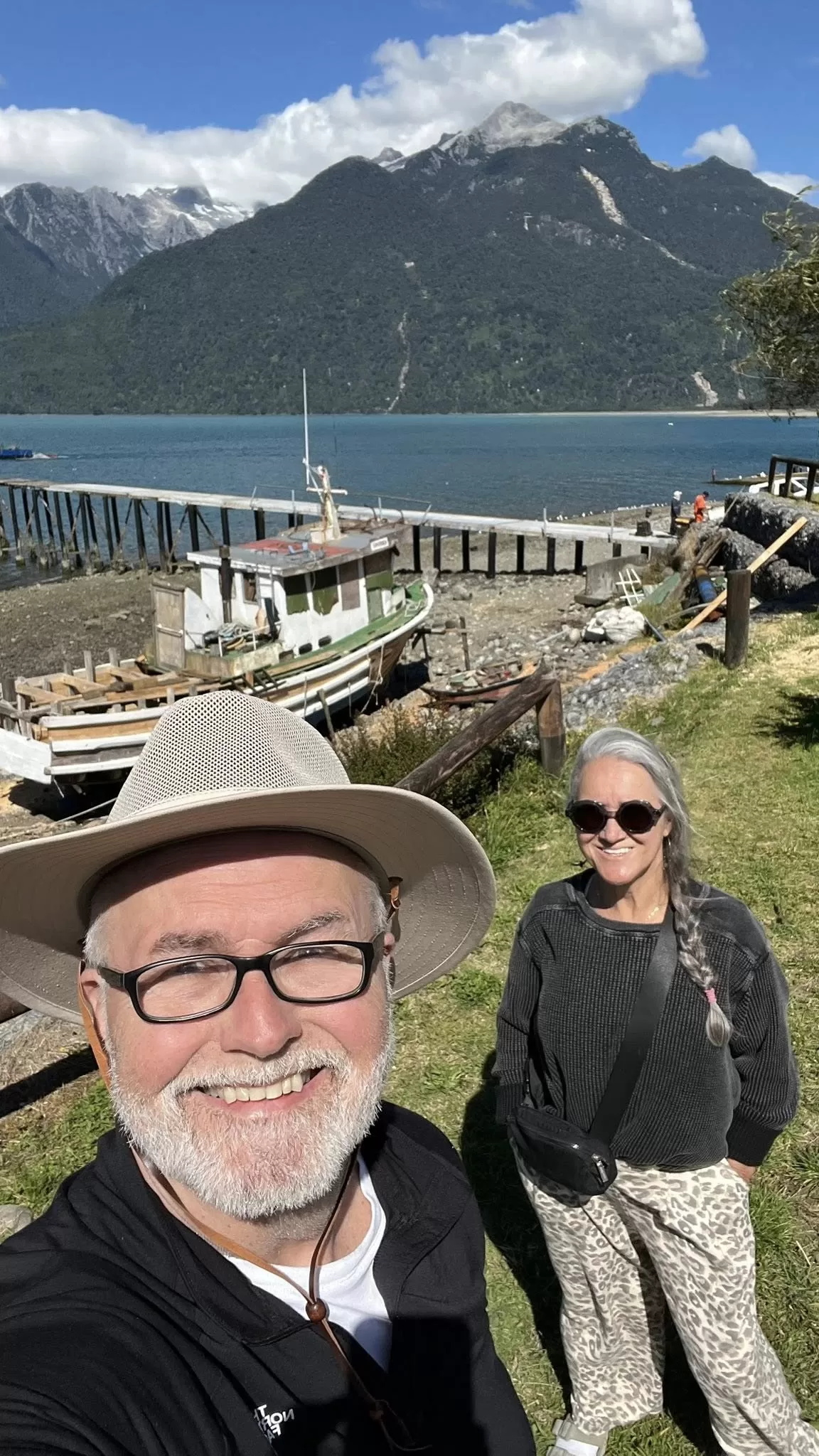
Somewhere near Chile Chico, David and Isabel realized they had officially completed the Carretera Austral. This legendary road has a way of constantly raising expectations — every time you think you've seen the most beautiful view yet, the next corner delivers something even more impressive. Photos help, but they never quite capture the scale.
National parks & the border
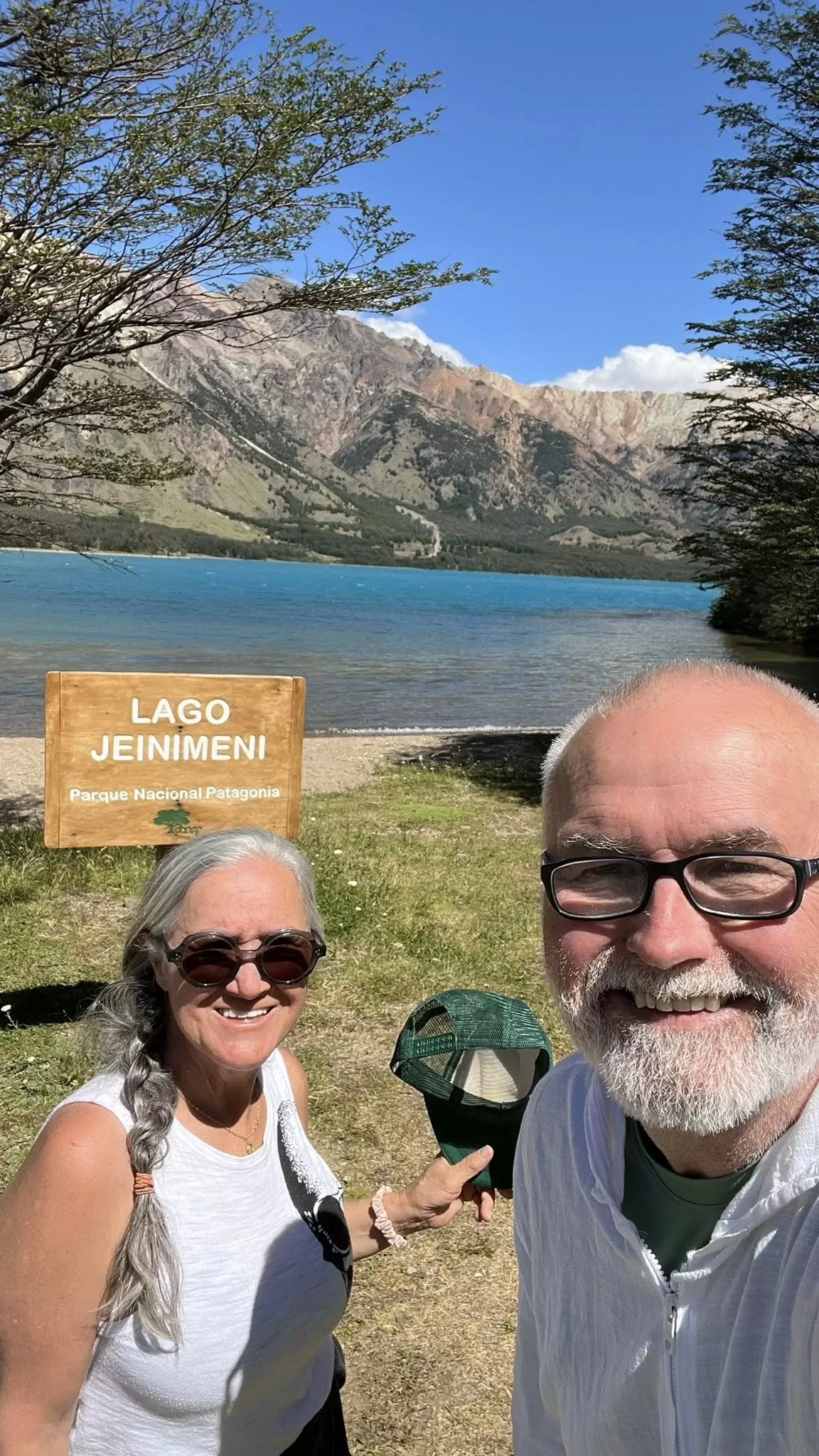
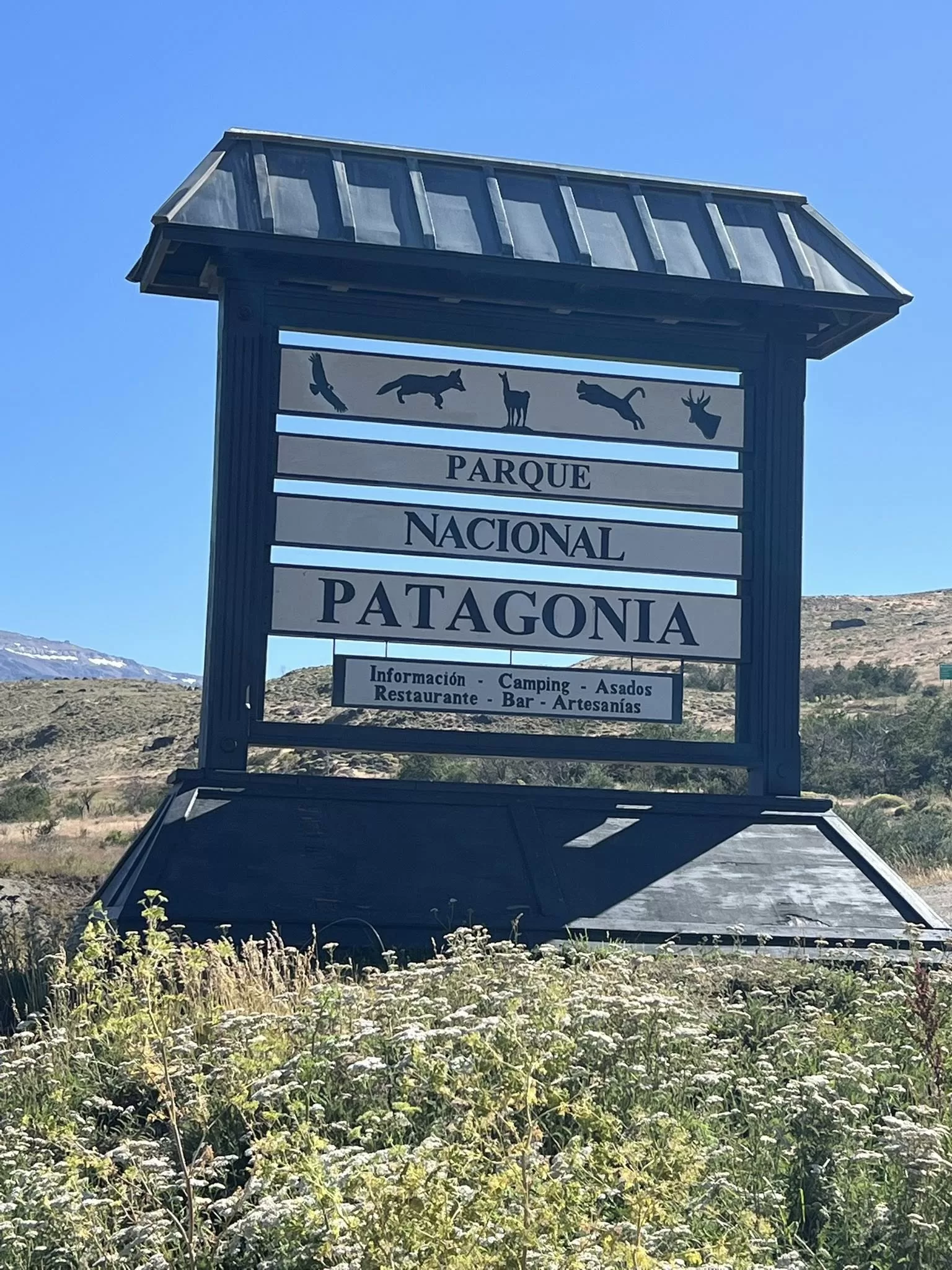
The day began with short hikes in Parque Patagonia and Parque Jeinimeni, both offering wide open landscapes and brilliant turquoise lakes. With good timing, they crossed the border into Argentina just before closing time and camped near the town of Los Antiguos, surrounded by trees and calm water.
High desert roads to El Chaltén
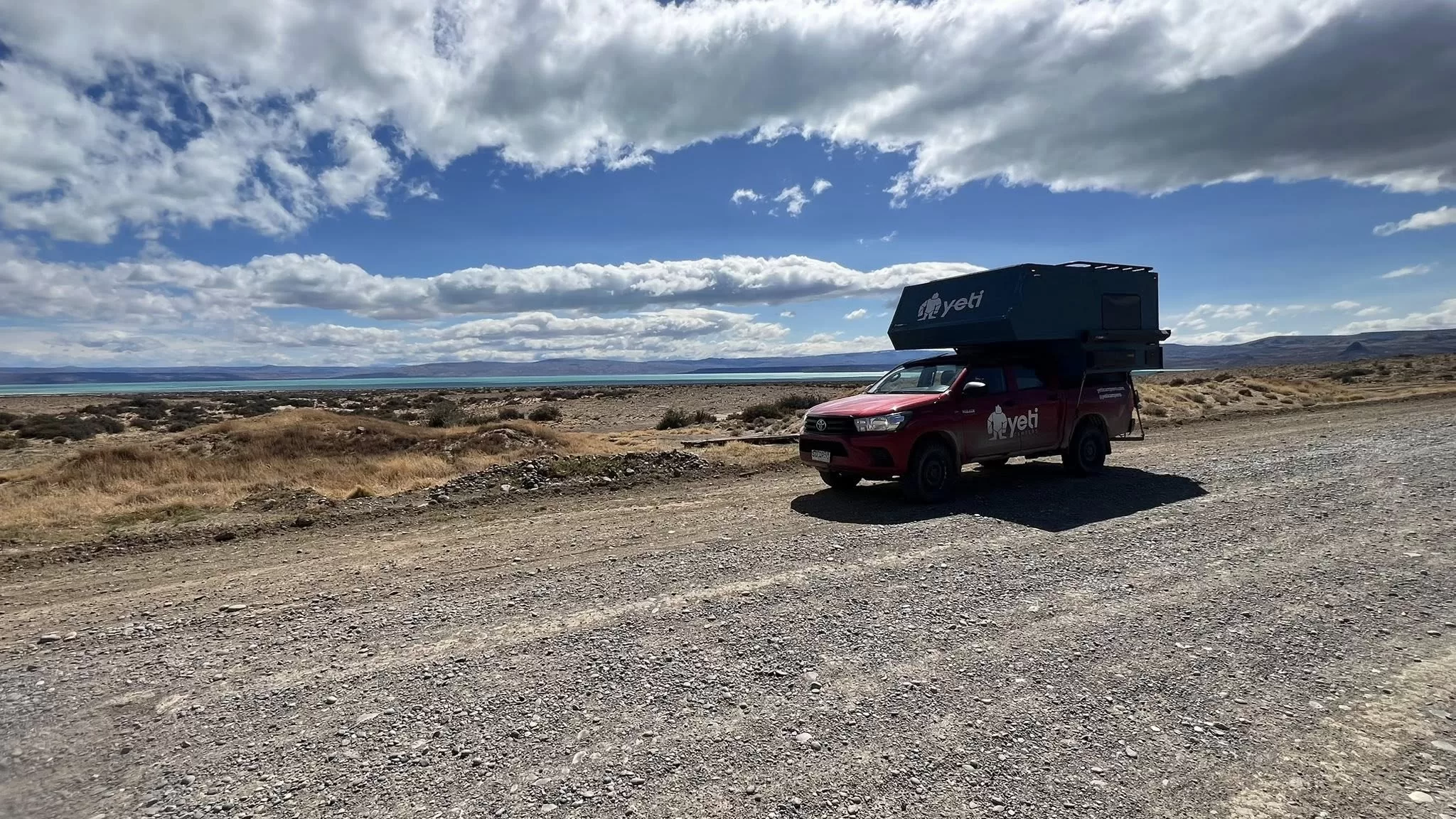
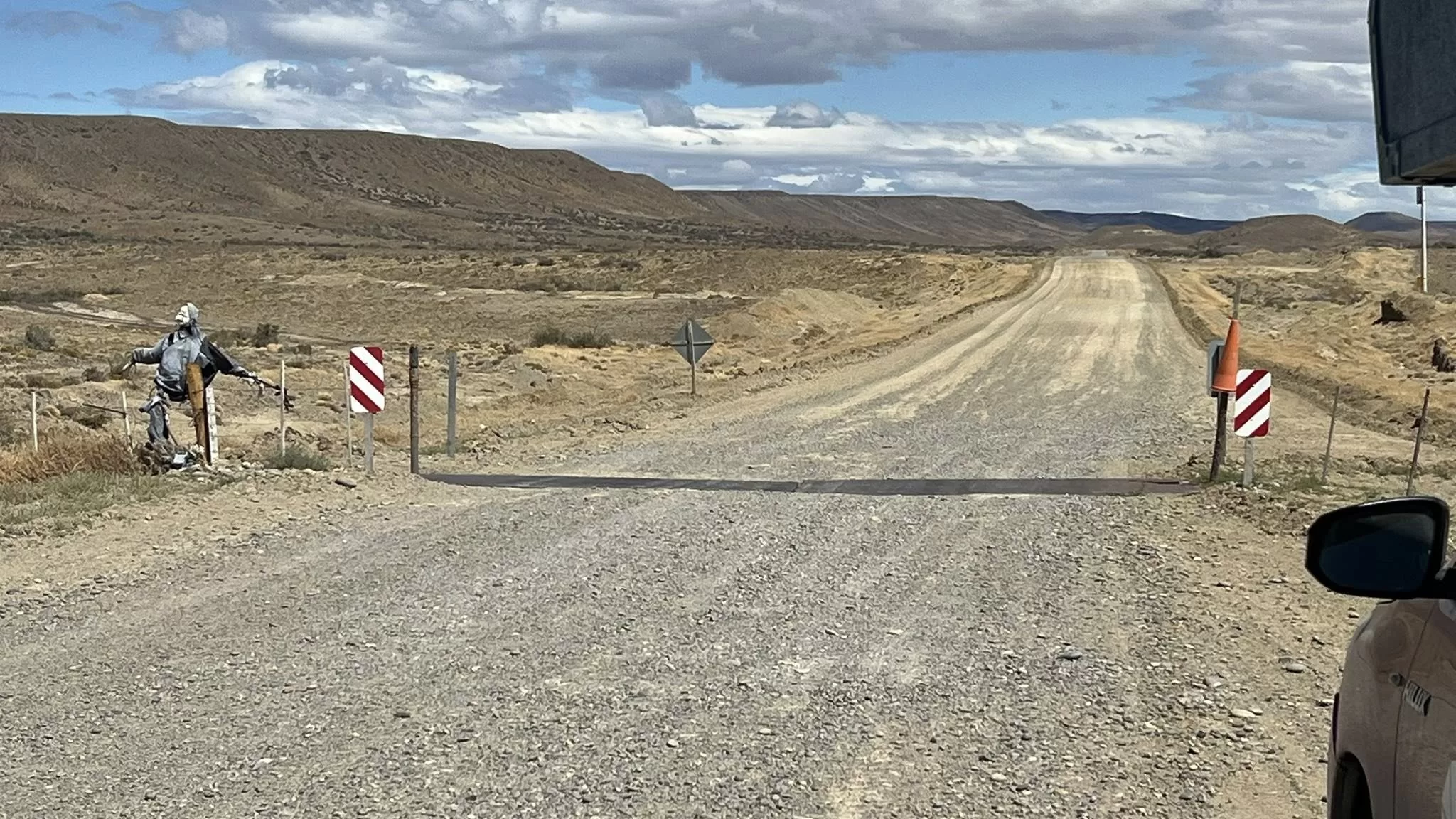
A full day of driving through Argentina's high desert followed — vast, empty, and unexpectedly beautiful. By evening they arrived in El Chaltén, known as Argentina's hiking capital. The transition was striking: only hours earlier they had been in desert-like terrain, and now glaciers and dramatic peaks surrounded them.
Viedma Glacier & hiking culture
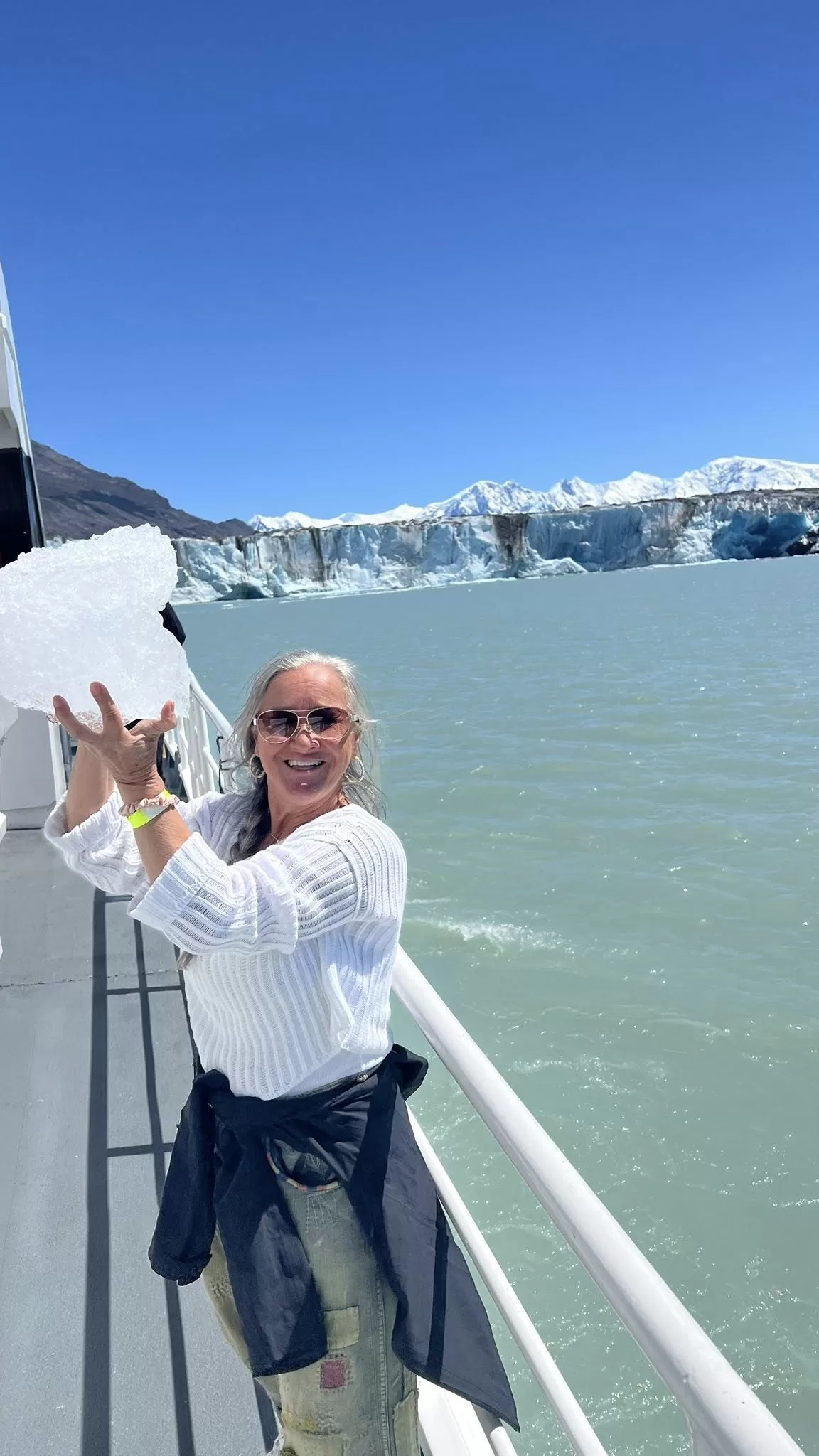
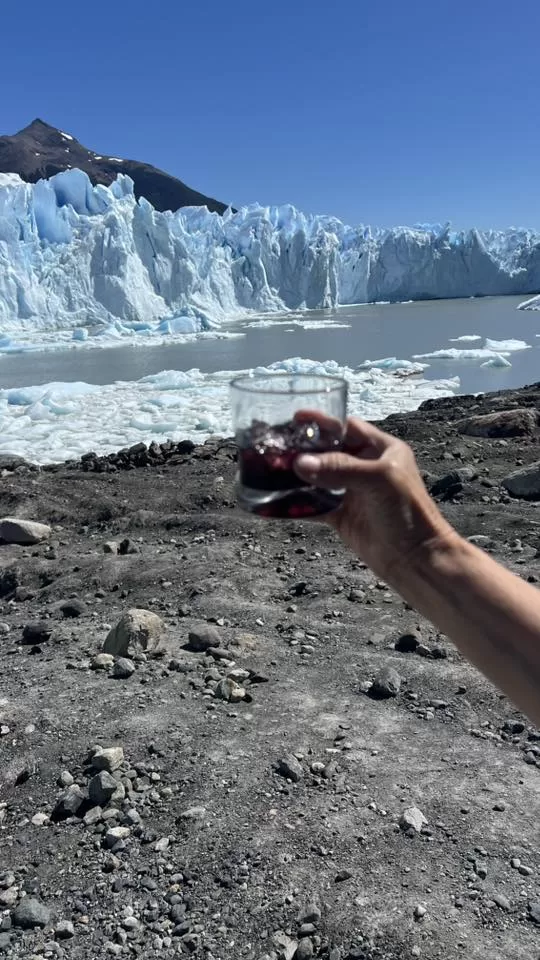
Another unforgettable day brought them even closer to ice. A boat trip to the Viedma Glacier let them witness massive ice formations up close — even enjoying drinks chilled with freshly harvested glacier ice. El Chaltén itself buzzed with energy, filled with hikers from around the world who had traveled long distances just to be there.
The Perito Moreno Glacier
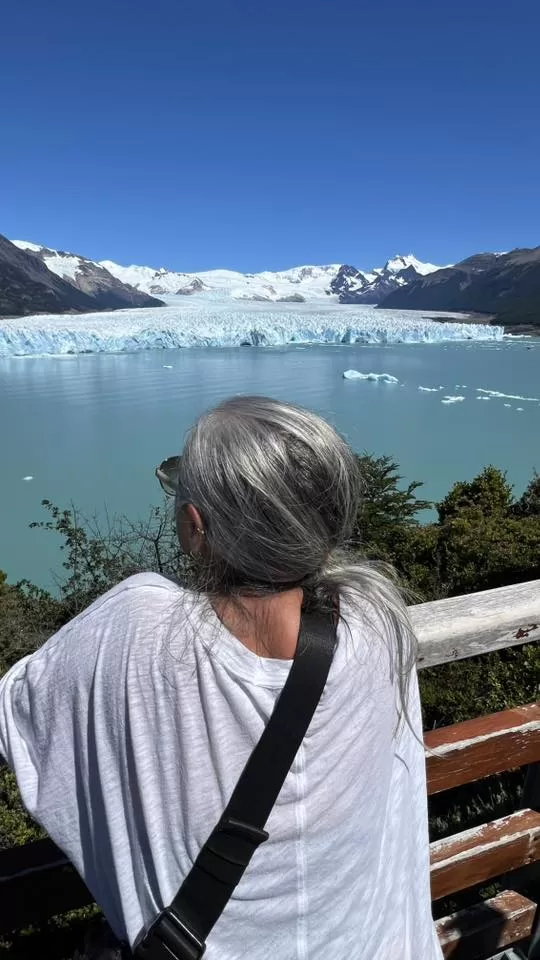
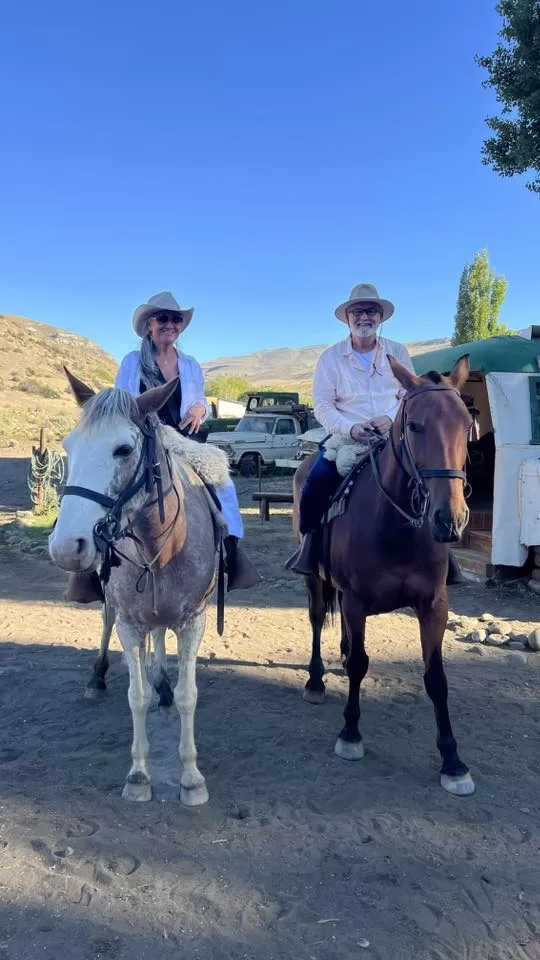
A few hours on the road brought them to El Calafate, where they restocked and explored town before visiting the famous Perito Moreno Glacier. Unlike many glaciers, this one lets visitors get remarkably close — watching enormous chunks of ice crash into the water below was powerful and humbling. That evening, they enjoyed a horseback ride, traditional dinner and a gaucho show — a perfect cultural counterpoint to the raw landscapes.
Torres del Paine & heading south
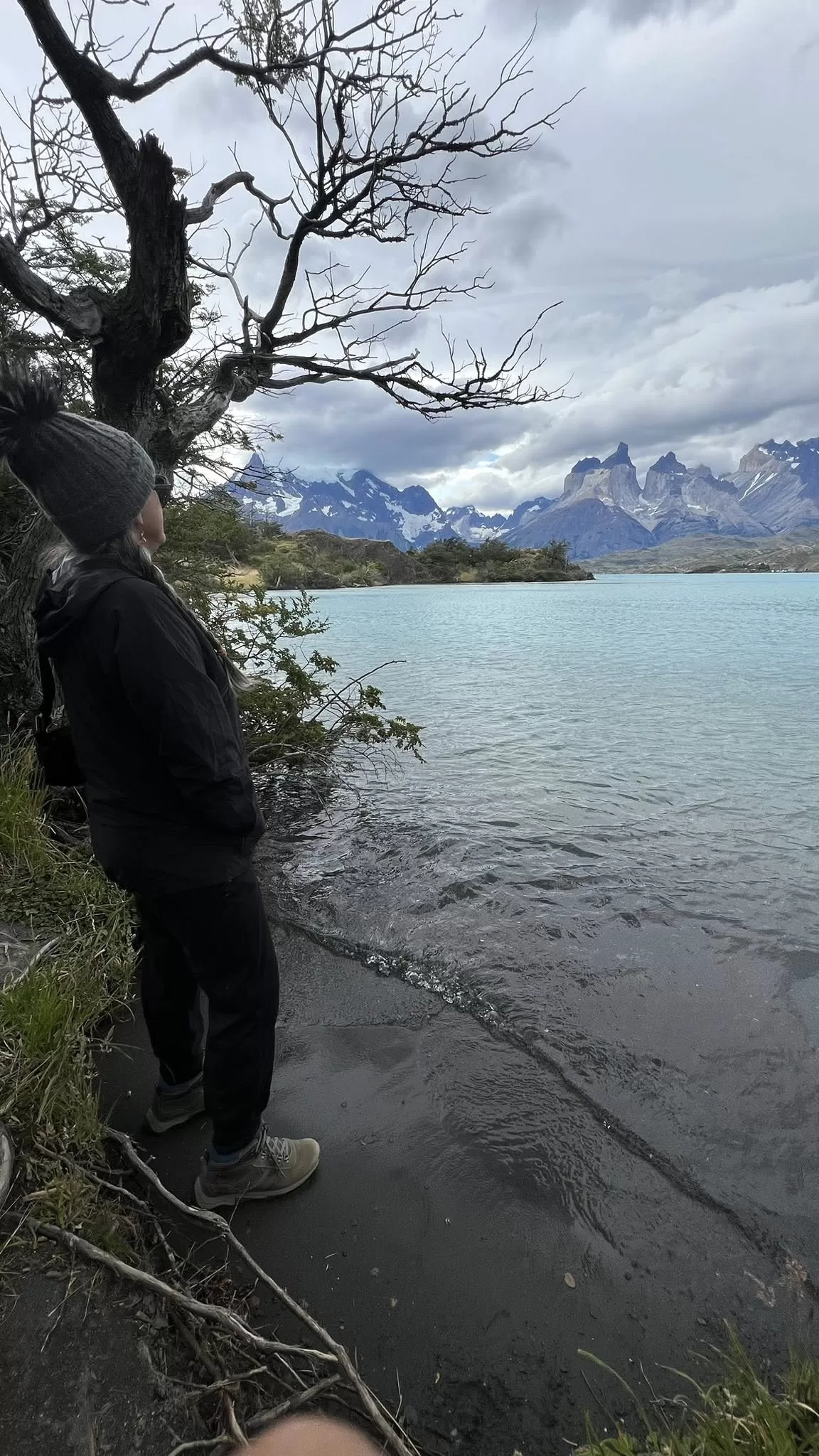
Driving days returned as they crossed back into Chile and stopped at Torres del Paine National Park. Snow-covered peaks and dramatic light created postcard-perfect scenes. Fuel stops became strategic — even with fuel remaining, they filled up whenever possible, a smart habit in such remote regions.
The end of the road — mission accomplished
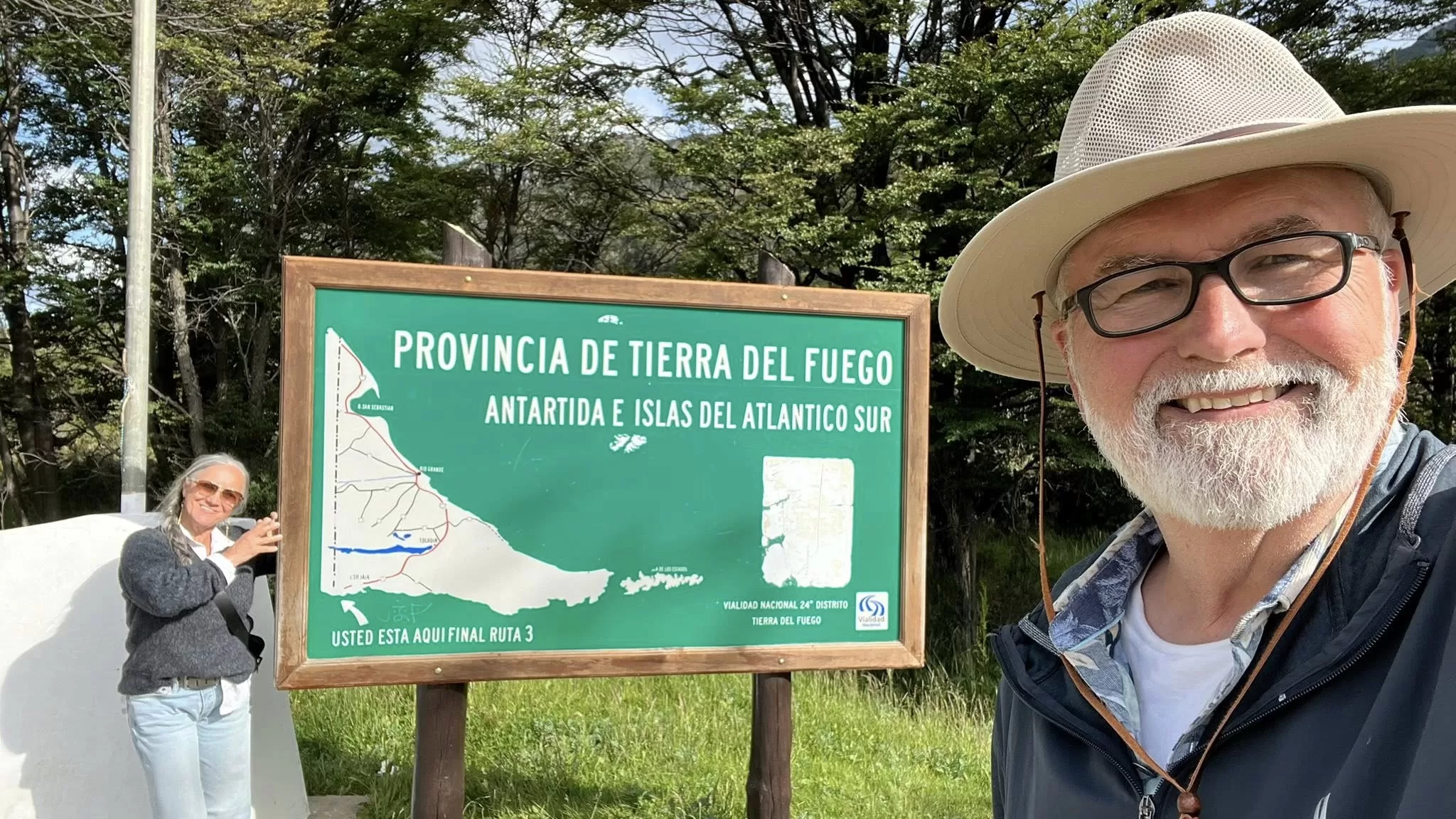
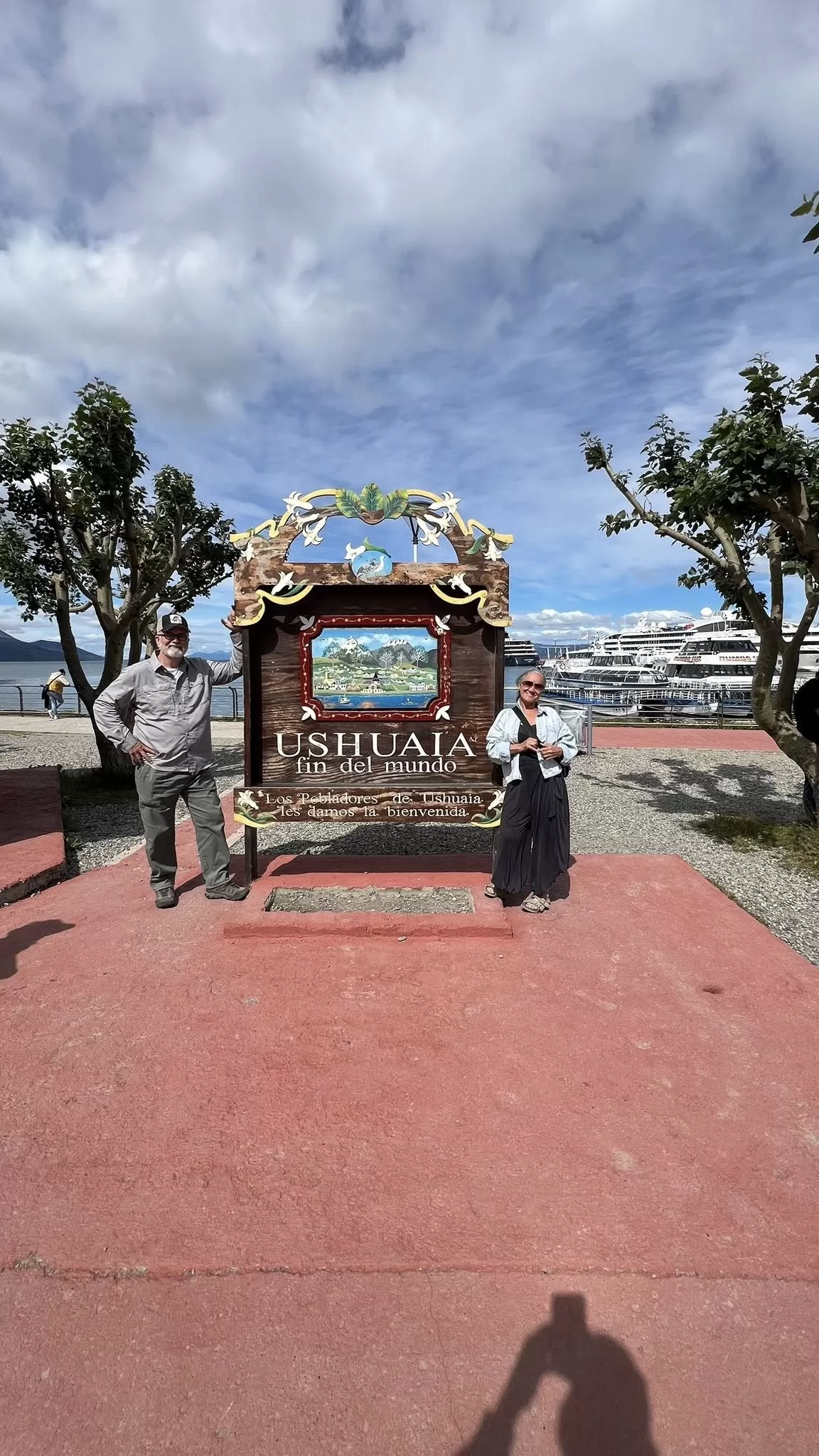
At last, they reached Ushuaia. From Puerto Varas to the end of the world, David and Isabel had driven approximately 3,000 miles, crossing borders, weather systems, landscapes and expectations. The dream that had lived in David's head for six years was now a place he was standing in.
Three days in Ushuaia: the perfect ending
Ushuaia delivered everything they had hoped for — and then some:
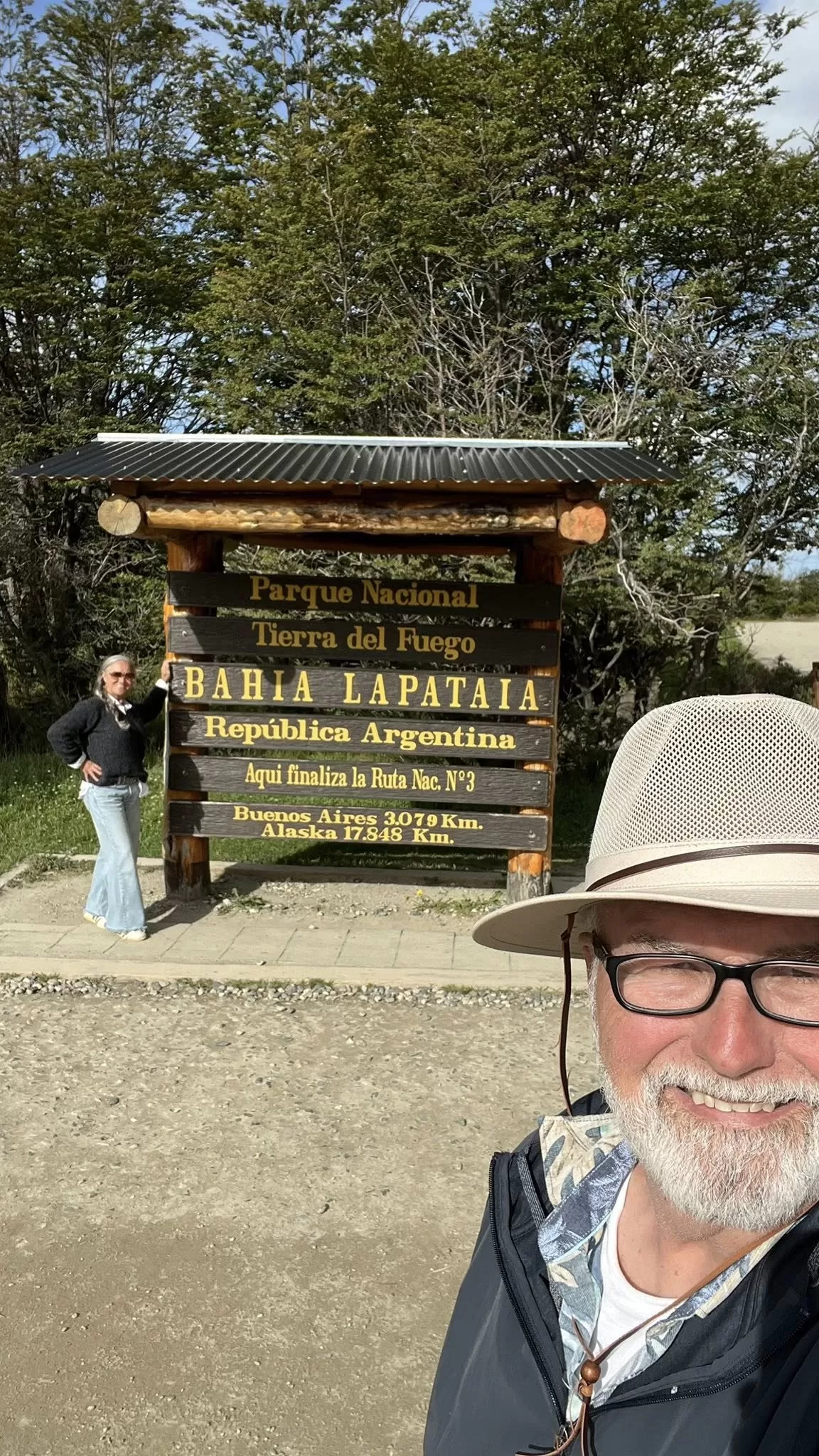
They also drove to Bahía Lapataia, the southernmost end of the Pan-American Highway. After a few days in town, the journey slowly came to a close as they made their way toward Punta Arenas and eventually flew home.
Why traveling Patagonia by camper made the difference
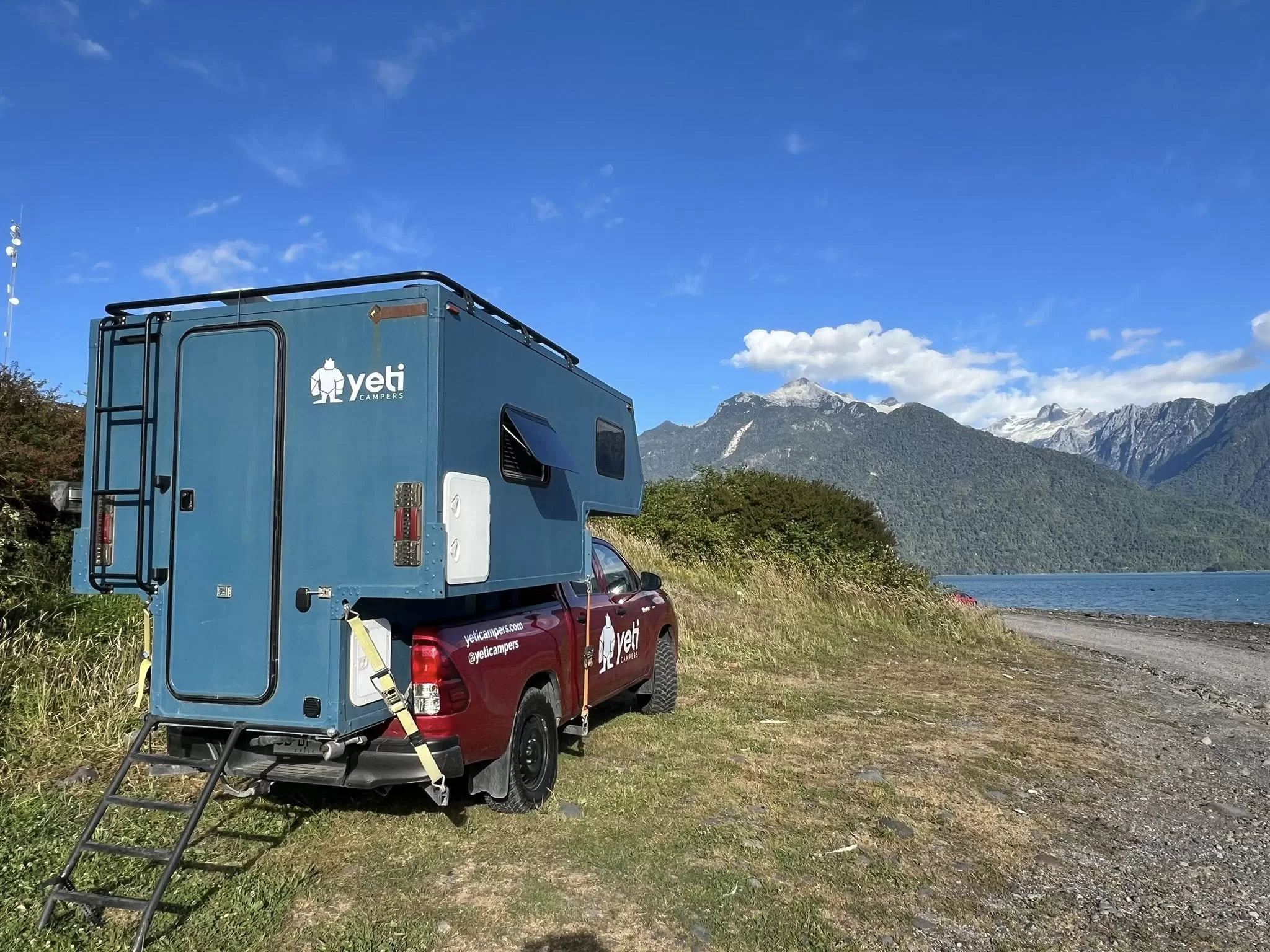
For David and Isabel, traveling by camper was the key that made the whole journey possible:
This wasn't just a road trip. It was the realization of a long-held dream.
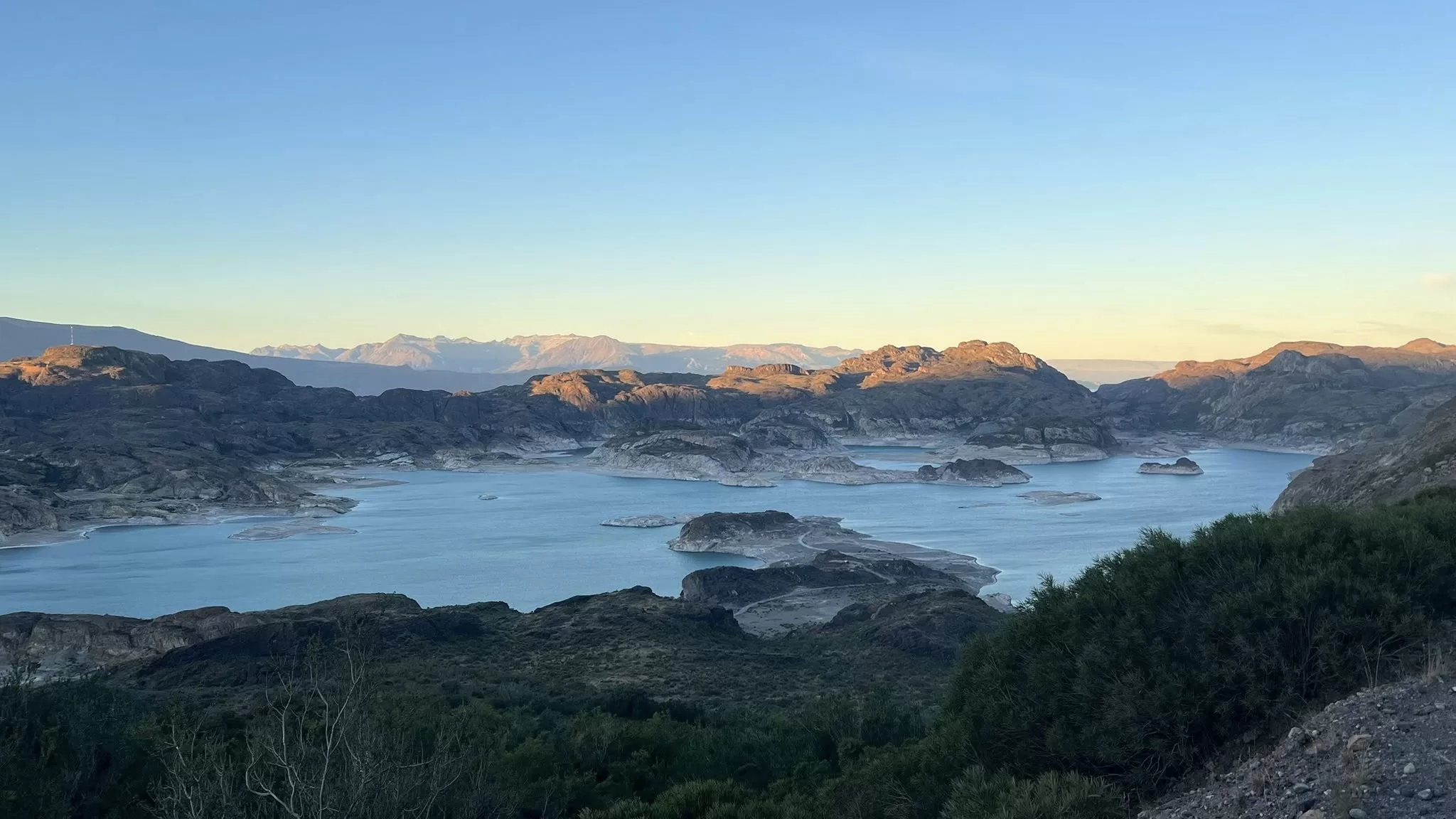
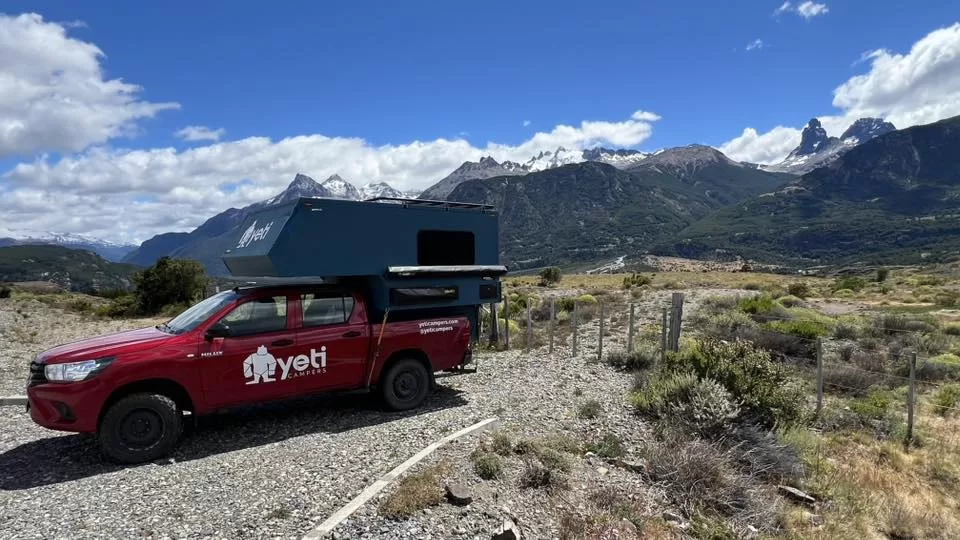
The journey in pictures
Inspired to plan your own journey?
Stories like David and Isabel's are why we love what we do — real people, real routes, unforgettable experiences. We're a local 4×4 camper crew based in Puerto Varas since 2018. Maybe it's time to start planning your own road to the end of the world.