
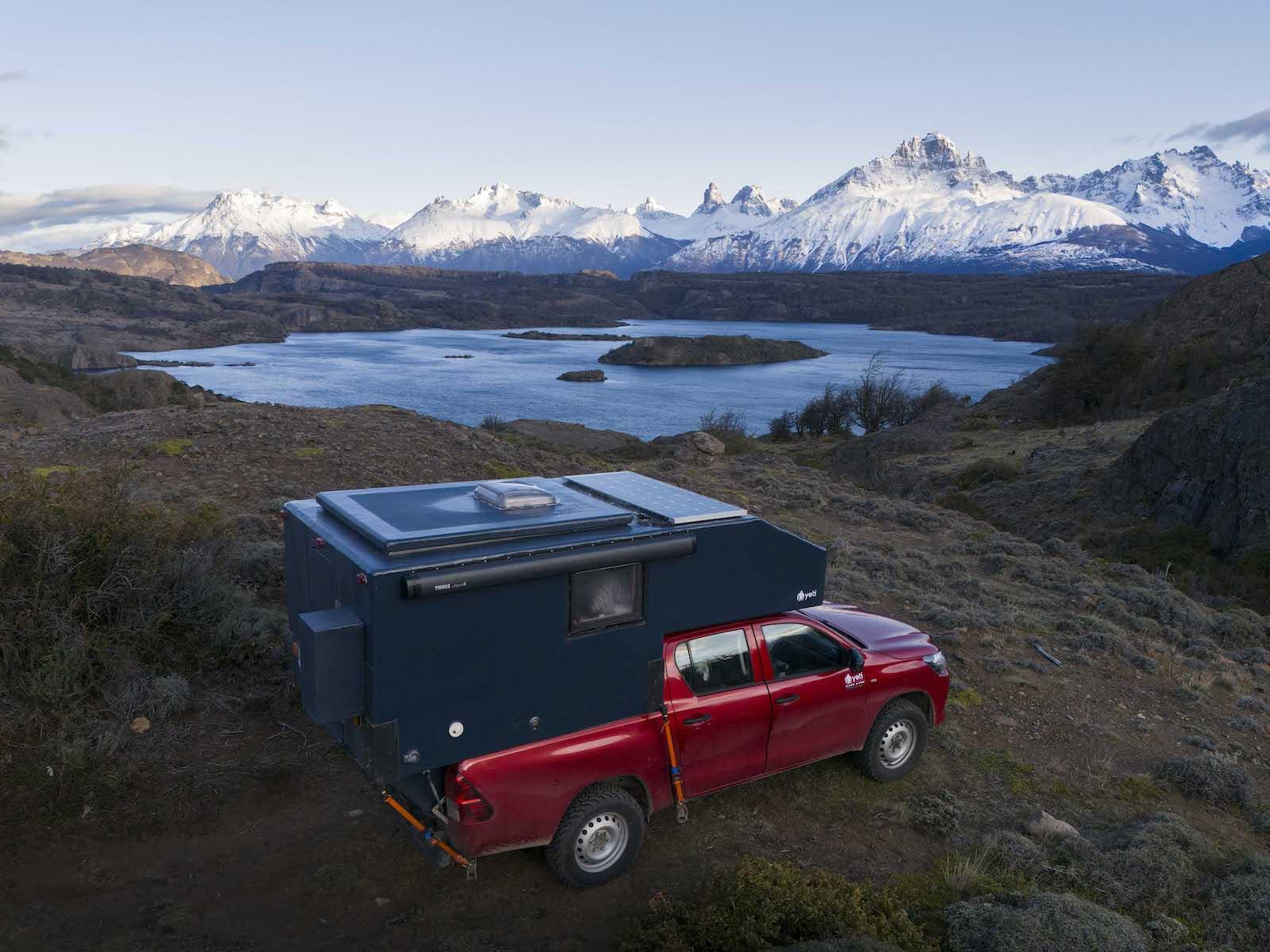
Driving in Patagonia: What to Know Before Renting a Camper
Gravel, wind, ferries and fuel — everything you actually need to know before you hit the Carretera Austral, from a local crew based in Puerto Varas.
Driving in Patagonia is one of the most spectacular road-trip experiences on Earth — endless landscapes, turquoise rivers, glaciers, and almost no traffic in sight. But it isn't a typical road trip, and a little preparation doesn't just improve the trip — it transforms it.
If you're thinking about renting a campervan or 4×4 to explore southern Chile, here's what's worth understanding before you go.
Gravel roads are normal — not a problem
A large portion of the Carretera Austral and its secondary routes is gravel (ripio). This surprises travelers expecting fully paved highways — but with the right vehicle, especially a high-clearance 4×4 camper, it's completely manageable. In fact, it's part of the adventure.
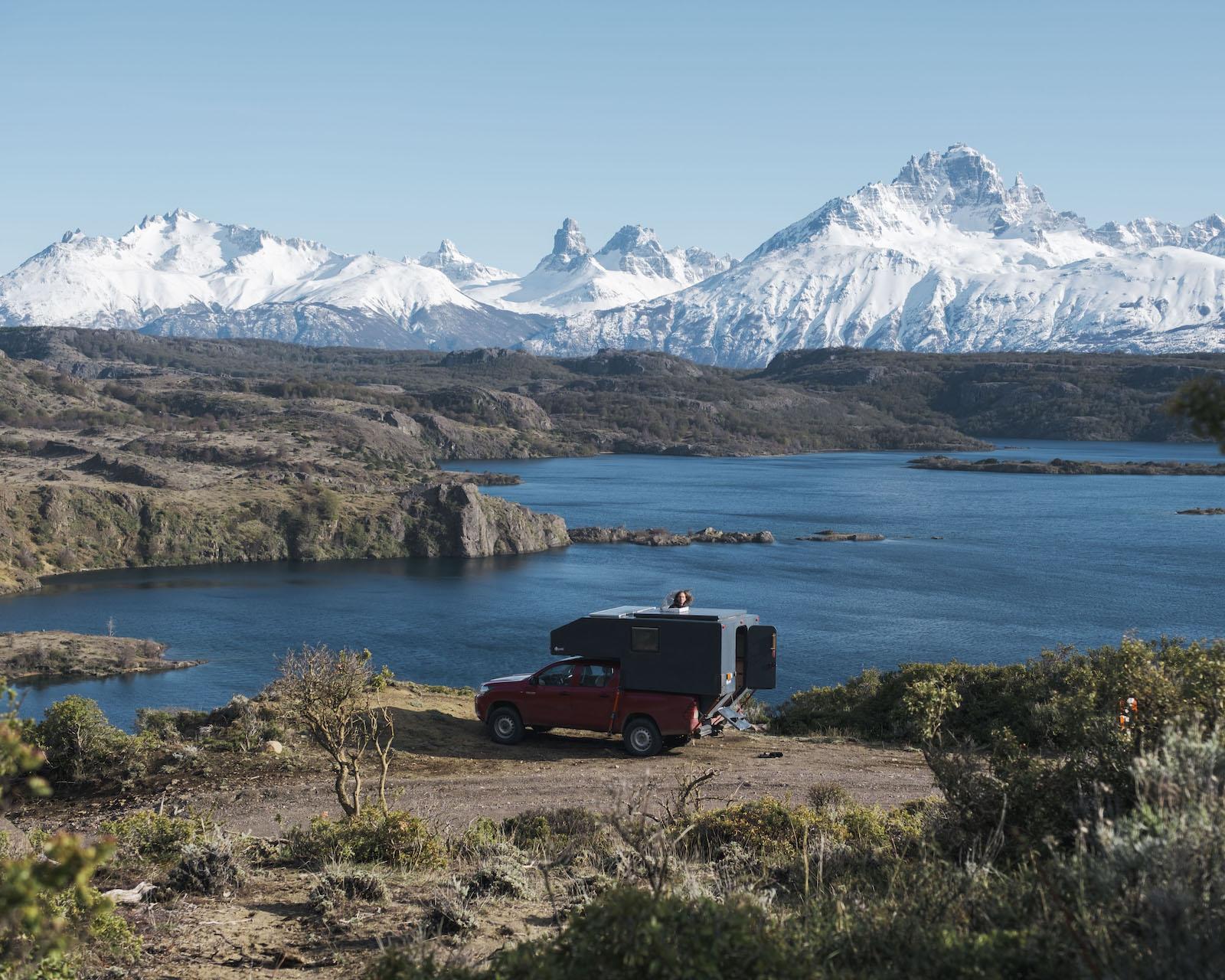
Distances look short — but take longer
On a map, 150 km looks quick. In Patagonia, that can mean 3–4 hours depending on the road, weather and ferries. Always calculate generously — Patagonia rewards slow travel, and rushing defeats the whole purpose.
Wind is a real factor
Patagonian wind is famous — strong, sudden and sustained, especially in open steppe near Coyhaique, Cerro Castillo and further south. Modern campers are built for stability, but awareness makes the drive far more comfortable.
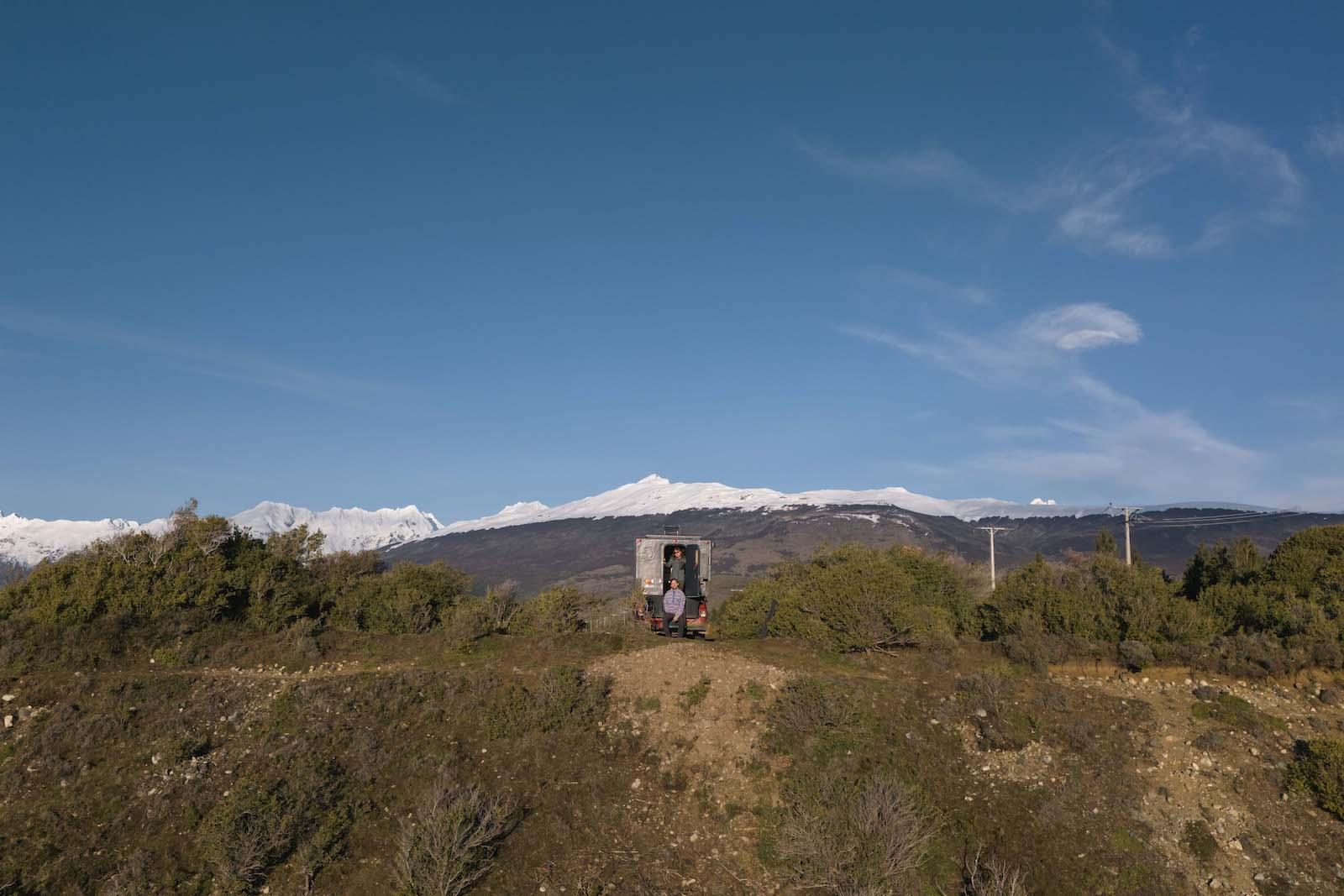
Fuel stations are limited — plan ahead
Fuel isn't frequent on the Carretera Austral. Key towns have stations, but between them there can be long stretches without services. Planning your stops in advance removes a lot of unnecessary stress.
Ferries are part of the route
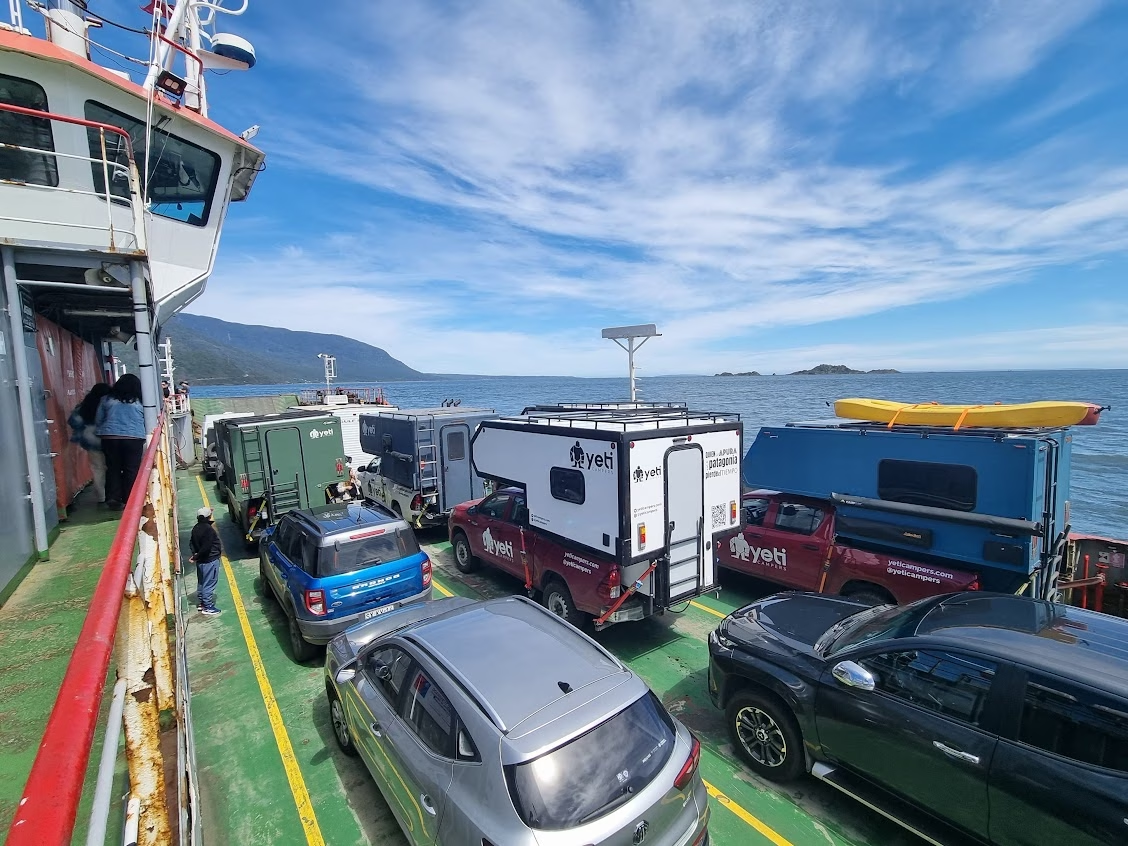
Driving Patagonia often includes ferry crossings, especially in the northern Carretera Austral. Some require advance booking, run limited daily departures, and can be affected by weather. Always coordinate your driving days with ferry schedules — shoulder seasons give you more flexibility, but planning still matters.
Weather changes quickly
Sun, rain, wind and clouds — sometimes all in one day. Patagonia's weather is dynamic, not predictable. The key is flexibility: adjust your plan instead of fighting it.
Wildlife is part of the experience
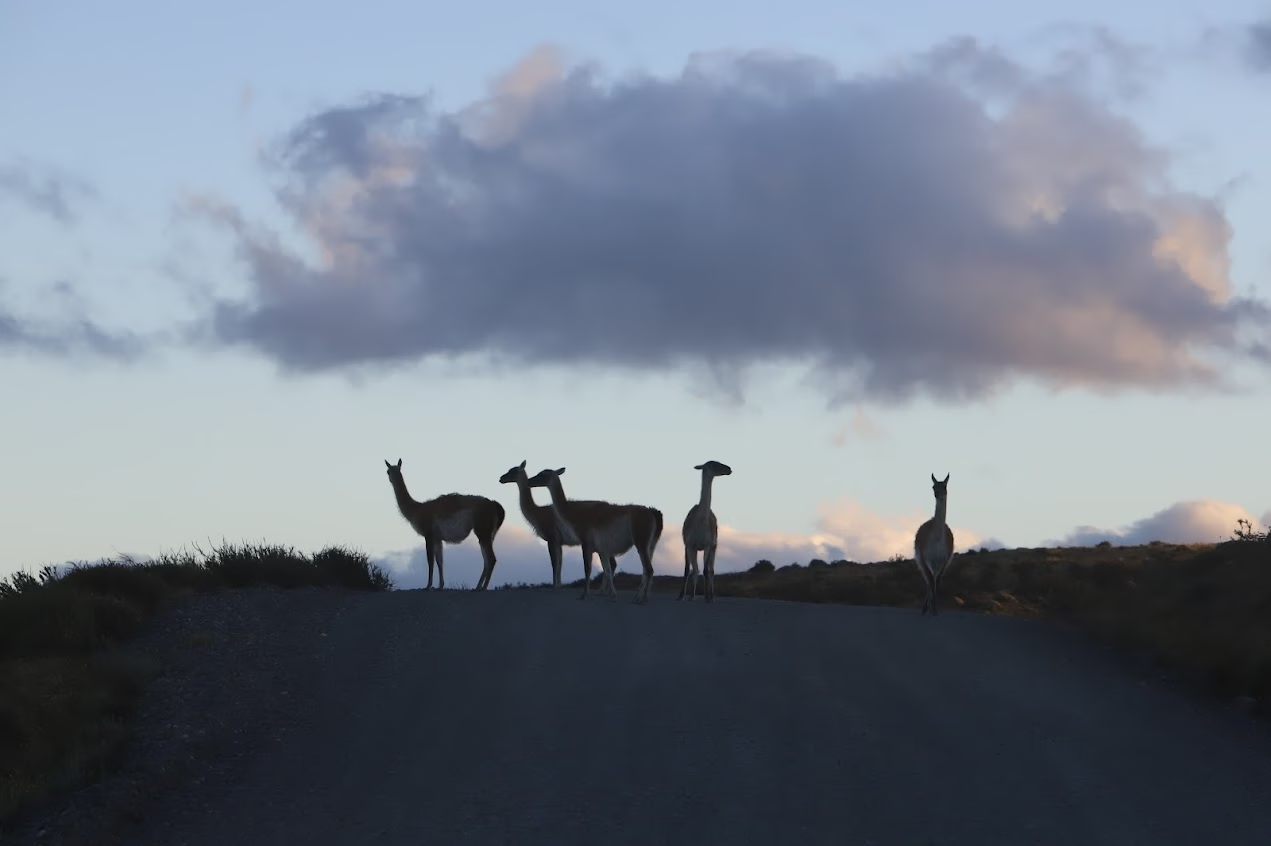
Guanacos, foxes, sheep, cows and even horses can appear on the road — especially at dawn and dusk. Reduce speed when visibility drops, and always assume something could cross ahead. These encounters are one of the magical parts of driving Patagonia.
Is driving in Patagonia difficult?
For most travelers, no. It isn't technically difficult — it's simply different from highway driving in Europe or the US. Drive attentively, plan realistic daily distances, and respect the weather and road conditions, and Patagonia is safe, manageable and incredibly rewarding.
People also ask
Is it safe to drive in Patagonia?
Yes. Main routes are well-marked, traffic is low, and rural crime rates are very low. The real challenges are weather, wind and gravel — not safety.
Do I need a 4×4 to drive the Carretera Austral?
It's not strictly required for the main Carretera Austral, but it's highly recommended for comfort and stability on gravel. Good ground clearance makes the journey smoother and more flexible — see our Nomad Camper.
Can tourists drive in Patagonia?
Yes. Visitors can drive in Chile with a valid license from their home country. An International Driving Permit is recommended for some nationalities but not always mandatory.
How hard is it to drive a campervan in Patagonia?
Manageable if you're comfortable with a larger vehicle. These aren't narrow mountain passes — the main adjustment is adapting to gravel and wind.
What is the biggest challenge when driving in Patagonia?
Underestimating distances and conditions. Planning realistic driving times and fuel stops makes the trip smooth and stress-free.
Why a camper changes everything
Patagonia is about freedom. When you drive your own camper, you control your schedule, choose where to stop, adapt to weather and mood, and wake up inside the landscape. Hotels anchor you — a camper moves with you. And in a place this vast, mobility is everything.
Want to go deeper? Browse our Patagonia routes or read our day-by-day 10-day Carretera Austral itinerary.
Planning a camper trip in Patagonia?
We're a local 4×4 camper crew based in Puerto Varas since 2018. Tell us your dates and we'll help with routes, ferries, driving times and seasonal advice.
 English
  Spanish